
Vast grasslands, ancient acacia trees, and rolling savannas form the backdrop of one of the most legendary wildlife reserves on Earth: Serengeti National Park. This immense ecosystem spans roughly 30,000 square kilometers, with the majority situated in northern Tanzania and extending north into Kenya’s Masai Mara. Embarking on a Serengeti safari promises unforgettable encounters with the Big Five, dramatic sunrises, and an intimate glimpse into one of the oldest ecosystems on the planet. With these practical insights and tips, you can prepare your journey down to the finest detail.

The landscapes of the Serengeti
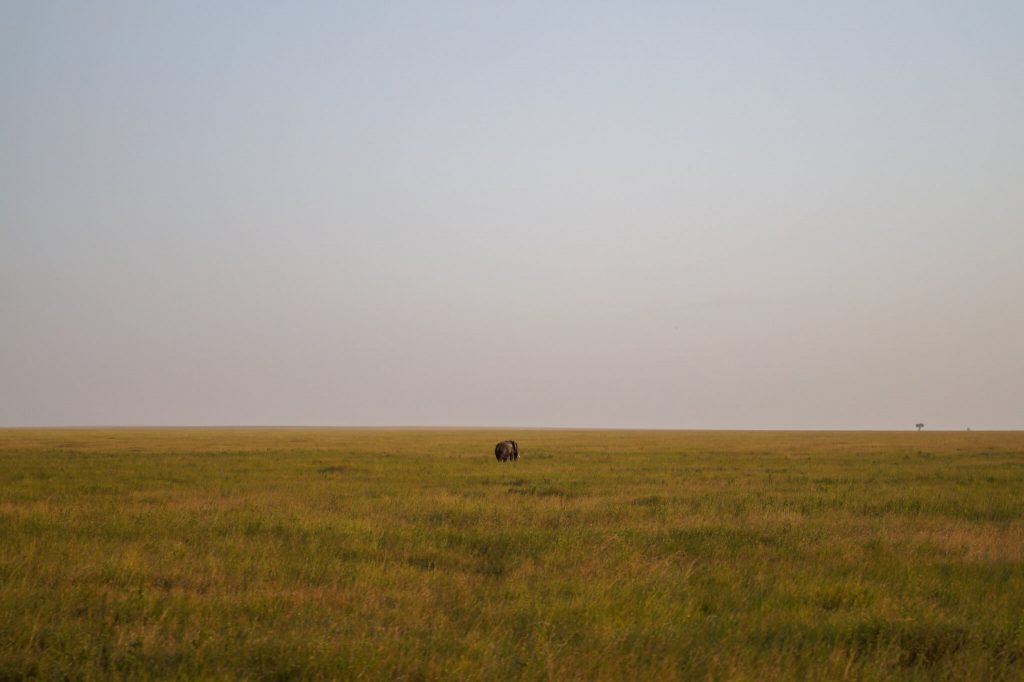
The name Serengeti derives from the Maasai word Siringet, which literally translates to ‘endless plains.’ The moment you enter the park through the iconic Naabi Hill Gate, you immediately understand why. Stretching to the horizon, the landscape offers remarkable ecological diversity:
- Southern Plains (Ndutu & Seronera): Treeless, fertile grasslands on volcanic soil that form the heart of the park.
- Western Corridor (Grumeti): A greener, densely vegetated area surrounding the winding Grumeti River.
- Northern Serengeti (Kogatende & Lobo): Hilly landscapes, rock formations, and the famous Mara River.
The vast landscape thus consists of grasslands dotted with acacia trees, wooded areas, hills, and an extensive network of rivers. The Serengeti is home to one of the world’s oldest and most complex ecosystems, which has remained virtually unchanged over the years.


Wildlife on your Serengeti safari
One of the primary reasons to experience a safari in the Serengeti is its extraordinary density of wildlife. Alongside the renowned Big Five (lion, leopard, elephant, cape buffalo, and rhinoceros), the park is home to over 70 species of large mammals and more than 500 bird species.
Did you know that the Serengeti is home to Africa’s largest lion population? It’s estimated to number between 3,000 and 4,000 lions. In addition, the chances of seeing cheetahs sprinting across the open plains are exceptionally high here.
Of the Big Five, leopards and rhinos are the most exclusive. Leopards lead solitary lives high in the branches of sausage trees and acacias, while endangered black rhinos inhabit specific, heavily protected sectors of the park in smaller numbers.
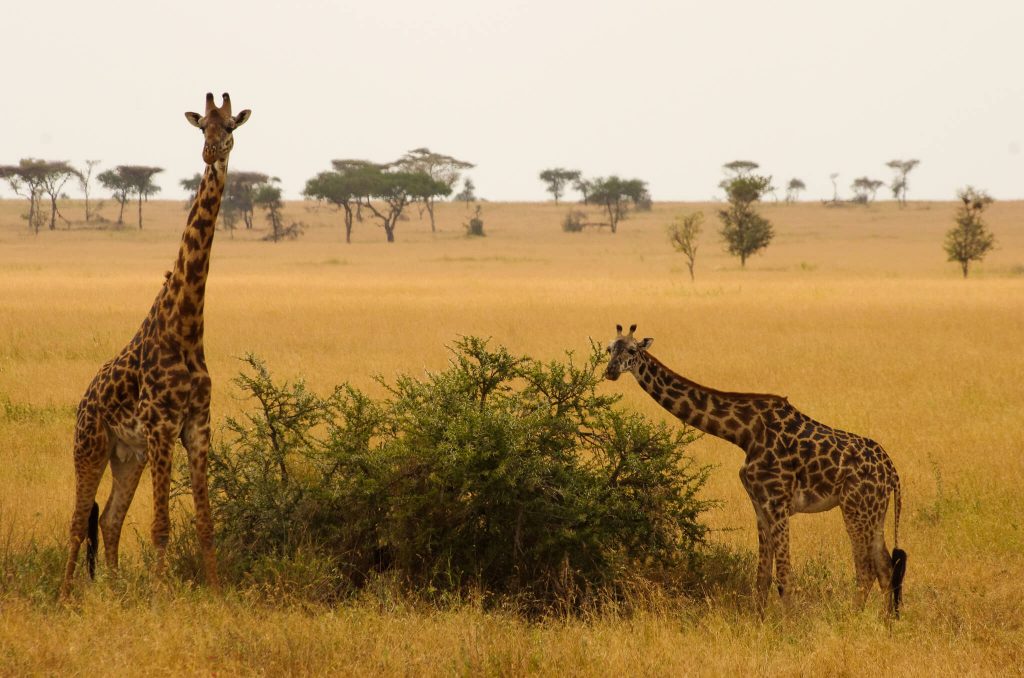
Along riverbanks and waterholes, you are virtually guaranteed to see large pods of hippos and Nile crocodiles. The Serengeti is also one of the premier places in Tanzania to see graceful herds of Maasai giraffes silhouetted against the horizon.
Tip: Wildlife is most active during the golden hour, just after sunrise and right before sunset. Plan your game drives around these windows for warm lighting and the highest chance of witnessing predator activity.


The Great Migration: When and where to witness it?
The Great Migration is one of the Seven Natural Wonders of Africa. Every year, over two million wildebeest, zebras, and gazelles move in a continuous clockwise circuit through the Serengeti ecosystem in search of fresh grazing lands and water, closely shadowed by predators.
Because the herds are constantly on the move year-round, the best region to visit depends on the month:
- January through March (Southern Serengeti & Ndutu)): The season when many calves are born on the open plains, leading to spectacular encounters with lions, cheetahs, and hyenas.
- May through June (Western Corridor): The herds are moving northward and gathering around the Grumeti River, where the first major river crossings take place.
- July through October (Northern Serengeti): The famous crossings of the Mara River, during which thousands of animals brave the churning waters and crocodiles as they head toward the Kenyan border.
- November through December (Eastern & Central Serengeti): A season with brief spells of rain, causing the herds to slowly return to the green plains in the south.


Self-drive vs. Guided safari in the Serengeti
When planning a Tanzania itinerary, many travelers ask whether to drive themselves (self-drive) or book a safari with a professional guide. While it is technically possible to rent a 4x4 vehicle and drive independently through the Serengeti, we strongly recommend exploring with an experienced private driver-guide. Distances inside the park are vast, unpaved tracks can become challenging after rain, and signage is minimal. Moreover, local guides possess trained eyes for spotting camouflaged wildlife (such as a leopard resting in a distant tree) and stay connected via radio with fellow guides across the reserve.


Practical information: Admission fees and recommended stay
Serengeti National Park entry fees
The parks in Tanzania are managed by TANAPA. Daily rates (conservation fees) for a visit to the Serengeti range from approximately $70 to $85 USD per adult per 24 hours. Prices vary depending on whether it is high or low season and do not include sales tax or vehicle costs.
At the entrance gates, such as Naabi Hill, you can pay only by credit card. Cash is not accepted.
When traveling overland from Arusha or Lake Manyara to the Serengeti, your route passes directly through the Ngorongoro Conservation Area. Keep in mind that separate transit and conservation fees apply here.
Read also: Combine your visit to the Serengeti with a descent into the world's largest volcanic crater. Check out all our Tips for a safari through the Ngorongoro Crater.


How many days do you need in the Serengeti?
Given the immense scale of the park and travel times from the entrance gates, we recommend staying at least 3 to 4 nights in the Serengeti. This allows two to three full days for dedicated morning and late-afternoon game drives without spending all your time in transit.


Where to Stay in the Serengeti
Staying inside the Serengeti is an unforgettable experience in itself. Unlike many fenced reserves in Southern Africa, camps and lodges inside the Serengeti are unfenced, allowing wildlife to roam freely through the grounds at night. Lying in bed listening to distant lion roars or the calls of hyenas delivers the ultimate Out of Africa atmosphere. (After dark, trained Maasai escorts always accompany guests between tents and dining areas).
Depending on your route and travel style, consider these standout stays:
- Kubu Kubu Tented Lodge: Beautiful, spacious safari tents on wooden decks with a veranda, an excellent kitchen, and direct access to the Serengeti valleys.
- Lemala Mara Tented Camp: Ideally located near the Mara River for those who want to experience the Great Migration's river crossings up close during the summer months.

Tip: The finest intimate tented camps in the Serengeti often feature only 10 to 15 tents and frequently book out up to a year in advance during peak season.

Best time for a Serengeti safari
You can go on a fantastic safari in the Serengeti all year round, but the best time for wildlife viewing is from June through October. This is the dry season, and the vegetation is sparse, causing the animals to gather around the few water sources.
In January and February, the weather is wonderfully warm, the plains are green, and you’re right in the middle of calving season in the south. This is, of course, also a wonderful time to go on a safari in the Serengeti.
Combine the Serengeti with the rest of Tanzania and Zanzibar
For most travelers, exploring Serengeti National Park serves as the centerpiece of a broader East African journey. After exhilarating days out on the savanna, it is effortless to catch a short domestic flight to the coast to conclude your adventure on the tropical spice island of Zanzibar.
Looking to connect all the highlights seamlessly and prepare your trip down to the last detail? Explore our other comprehensive Tanzania travel guides:
- Our complete 3-Week Itinerary Through Tanzania
- A list of Practical Tips for Traveling Through Tanzania
- Discover all Sights and Activities in Zanzibar
- Explore The Most Beautiful Beaches in Zanzibar


Take a tour of Tanzania
Would you like to take a trip through Tanzania, but aren't quite sure how to go about it? And maybe you're not quite sure about the itinerary and destinations yet? We'd be happy to help you get started!
During a consultation, we’ll discuss your preferences and recommend the most beautiful destinations that are perfect for you. Would you rather leave it all up to us? No problem! We’ll organize a completely customized trip for you. Travel worry-free and request a travel proposal for your vacation to Tanzania.