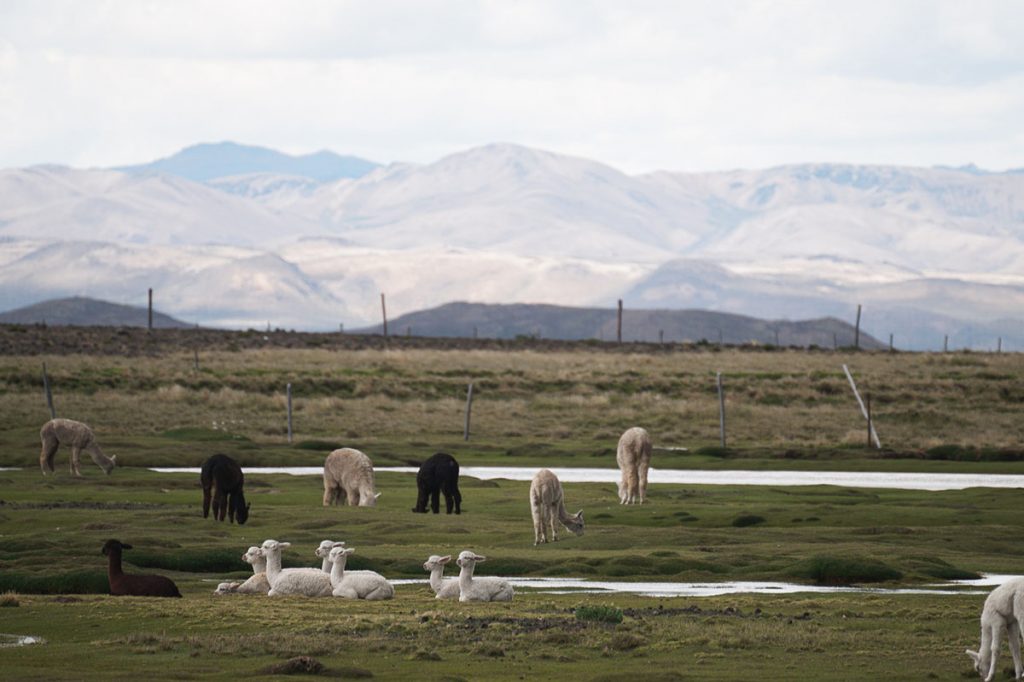

Discovering the world without harming it, is that even possible? Travel is a privilege and brings us so much beauty, but mass tourism and CO2 emissions from airplanes put a lot of pressure on our planet. Fortunately, you can significantly reduce your impact with a few smart choices. In this article we share practical tips and answer important questions about sustainable travel. That way you can travel in an environmentally conscious way, without compromising on adventure!
What does sustainable travel mean?
Sustainable travel is about being conscious of the impact you have on the world while traveling. It goes beyond just the environment. It also includes respect for local culture, economy and nature. Consider choosing environmentally friendly transportation, supporting local entrepreneurs and avoiding harmful tourist activities. Small changes in your travel habits can make a big difference!
How to travel environmentally conscious? 11 helpful tips
With these tips, you can travel environmentally conscious and reduce your footprint.
1. Choose environmentally friendly travel products
Packing your suitcase is where the fun before a trip often begins. However, you are often limited by the number of kilos you can take with you, so you quickly tend to small plastic containers for your personal care products. But this is not necessary at all! Go plastic-free when traveling by bringing sustainable alternatives, such as shampoo bars, deodorant cream and a bamboo toothbrush. Of course, the refillable water bottle cannot be missing either.
This not only saves waste, but also saves space in your luggage. Curious about which eco-friendly travel products we recommend? Go to travel plastic-free with these sustainable travel products!
2. Travel to less touristy destinations
Ecotourism means consciously choosing destinations where tourism is small-scale and sustainable. Countries such as Bhutan and Costa Rica are doing everything they can to remain climate neutral, but countries such as Colombia, Brazil and Indonesia are increasingly committed to eco-tourism and nature conservation, such as the Amazon rainforest. In Colombia, for example, you will find many local communities that need help in preserving their heritage and many ecological farms. Contribute where you can and discover the world without participating in mass tourism!


3. Choose train or bus instead of plane
Traveling by plane is often the easiest and fastest way to get to your destination. Only, an airplane consumes a lot of kerosene and the CO2 emissions are huge.
But then, what is the most sustainable transportation? Treins and buses are generally the most environmentally friendly options, especially compared to flying or driving. Within Europe there are more and more comfortable train alternatives. Sometimes with a little extra travel time, but with considerable environmental savings! This is how you travel in 4 hours by train to London and you can also booking the night train to Prague.
In our article with the best city break destinations in Europe we share some fun and sustainable tips for city trips by train!
4. Still flying? Reduce your impact!
Is sustainable flying possible? The honest answer? Not really. Airplanes emit huge amounts of CO2 and cause air pollution. Still, there are ways to reduce your impact when flying is unavoidable, such as when traveling outside Europe.
First of all, offset the emissions from your air travel. Some airlines offer offset programs. Do you ever book your flights through SkyScanner? Then you may have noticed that they use the 'Green Choice' label to show which flights emit less CO2. Handy!
If possible, choose direct flights. Takeoffs and landings use the most fuel. And finally, avoid private jets and business class. The more people in one plane, the lower the emissions per person.
5. Choose slow travel and enjoy one destination longer
You may have heard of "slow travel. Slow travel involves traveling through a country at a slow pace and spending more time in one place. You consciously choose to take it easy and stay longer at your destination. After all, this not only reduces your CO2 emissions, but also ensures that you really get to know a destination and get up close and personal with the locals.
Curious about the best slow travel destinations? We share them in our article: Why slow travel is the travel trend we need to embrace.


6. Stay at a "green" hotel and book through Bed And Tree
Nowadays, there are many hotels that are working to become a "green" hotel by implementing sustainability. One example is Conscious Hotel Westerpark in Amsterdam that runs entirely on wind energy. And so, of course, you can find several hotels and hotel chains around the world that are environmentally friendly.
Do you often book you hotels on websites like Booking.com, Agoda and Hostelworld? Then do so via Bed And Tree. The concept is super simple. You click through Bed And Tree on the logo of your booking site. You pay nothing extra, but for every booking, one tree is placed.
How this works. The trees are paid for from the marketing budget of Bed And Tree's partners. Instead of investing this in TV commercials, for example, they are investing it in trees to attract more conscious travelers. Planting trees not only helps offset travel emissions, but also creates jobs for local communities and habitat for endangered species. So no reason not to do it!
7. Book excursions with a sustainable travel company
Not all excursions are equally environmentally friendly. For example, avoid tours that use animals as entertainment and choose organizations that respect nature and culture. Driving around national parks may sound incredibly cool, but also consider the impact on the eco-system and nature. A walking tour with a local guide and a cooking workshop with ingredients from the market are great alternatives. Therefore, research in advance whether a travel company is committed to hosting responsible activities.
8. Avoid shows and entertainment with animals
Elephant rides, dolphin shows, holding a snake and other tourist activities involving wild animals are anything but sustainable. The animals often live in poor conditions and are taken from their natural habitat. Instead, opt for ethical wildlife excursions where animals are observed in the wild. A crazy destination for this is Namibia. Here, for example, you can spot wildlife in the Etosha National Park.
Are you curious about what a vacation to this country looks like? These are all our travel tips for Namibia!


9. Buy local and eat local
Are you traveling? Then eat local! At local markets and "mini-market" supermarkets, produce often comes from the local area. At larger and international supermarkets, products are imported and transported by plane. By buying locally you contribute less to transport pollution and support the local economy. And you also discover the tastiest traditional products and local dishes this way. A win-win!
10. Leave traces, not junk
We are all aware that plastic does not belong in our oceans and that we need to drastically reduce the use of plastic. A global problem that is thankfully being widely heeded, but a problem that is far from solved. That's why we keep mentioning it as a tip!
Pick up your trash, use as little plastic as possible and participate in a beach clean-up if you get the chance. A small gesture with a big impact!
11. Inspire others to travel sustainably
Your choices can inspire others. Share your experiences, write a nice review about that sustainable hotel you stayed at and that responsible travel company you booked with. Tell friends about your green travel options. The more travelers make conscious choices, the better for our planet! Get inspired by more sustainable travel tips.