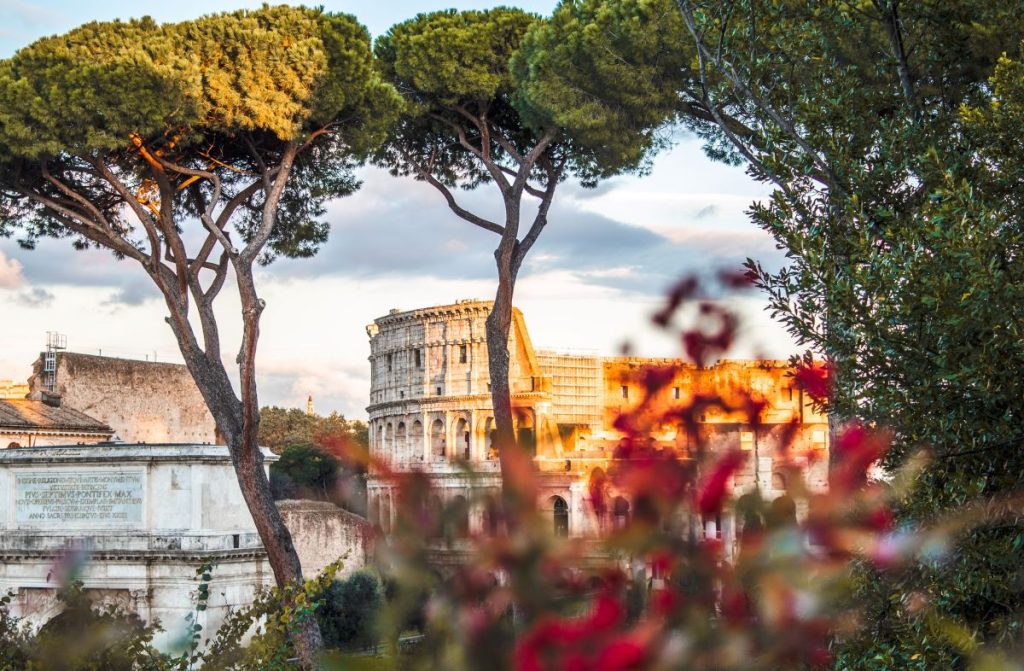

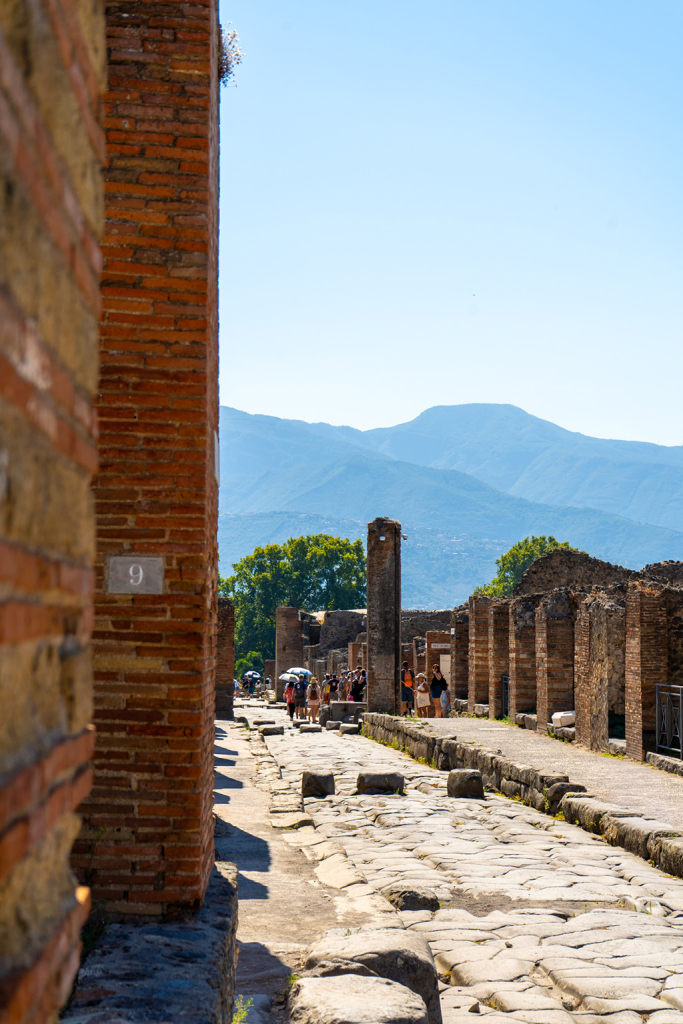
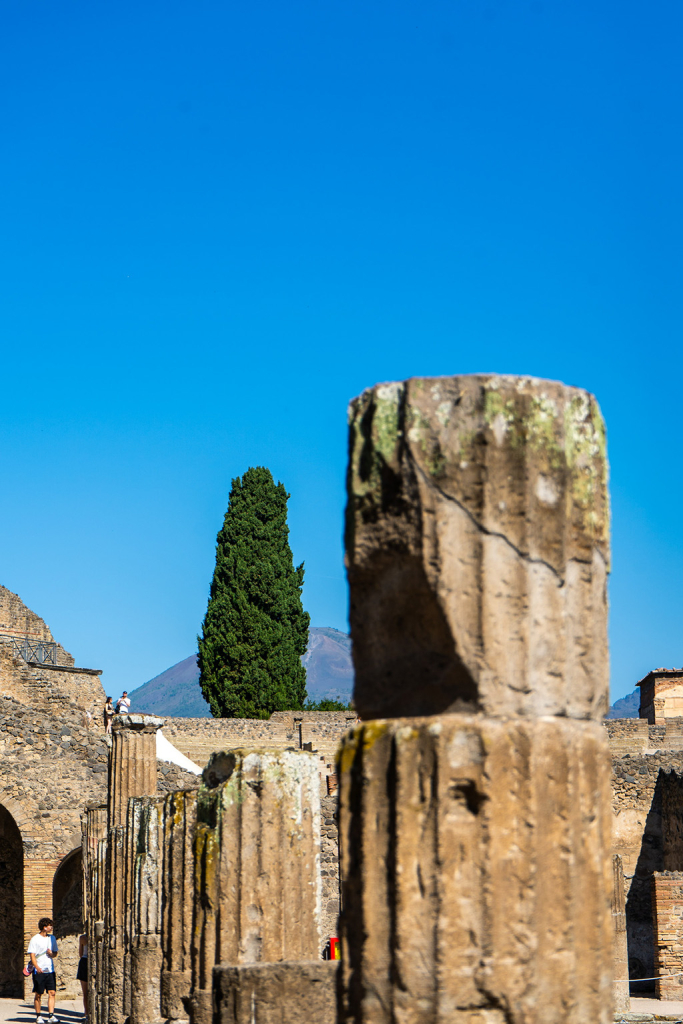
As you walk across streets paved more than 2,000 years ago, you can still see the tracks left by horse-drawn carts in the stones and look straight into the living rooms of ancient Roman homes. Rising behind the ruins is the imposing silhouette of Mount Vesuvius, the volcano that buried this entire Roman city under a thick layer of ash in 79 AD. Walking through Pompeii feels almost surreal, as if time has literally stood still. We visited Pompeii as a day trip during our journey along the Amalfi Coast, and this remarkable archaeological site is absolutely worth a visit. However, a little preparation is recommended before you go. The site is enormous, the Italian sun can be intense, and queues can quickly build up on busy days. These are our tips for visiting Pompeii.

What is Pompeii? A Brief History
Until the summer of 79 AD, Pompeii was a thriving and wealthy Roman city, filled with grand villas, busy markets and lively bathhouses. That all changed when nearby Mount Vesuvius suddenly erupted with devastating force. Within just a few hours, the entire city was buried beneath several metres of volcanic ash and pumice. Thousands of people lost their lives, and Pompeii seemingly disappeared from the map.
The first remains of the city were rediscovered in 1594, but it was not until the 19th century that archaeologists began excavating Pompeii on a large scale. What they uncovered was extraordinary. The thick layer of volcanic ash had preserved the city for almost 2,000 years. Today, you can walk along ancient Roman shopping streets, step inside luxurious homes and admire beautifully preserved mosaics and frescoes.
Tips for Visiting Pompeii
Planning to visit Pompeii soon? With these tips, you can avoid long queues at the entrance and make the most of your visit.
- Arrange your access online in advance: Buying your Pompeii tickets in advance can save you a lot of time waiting at the ticket office. We recommend purchasing your entrance tickets through the official website ahead of time or book a guided tour if you want to learn more about the stories and history behind the ruins.
- Bring a valid form of identification: Your ticket is often issued in your name, and you may be asked to show your passport or ID card at the entrance, so make sure to bring it with you.
- Choose the highlights you want to see in advance: Pompeii is enormous, and trying to see everything in one day is simply not realistic. Instead, focus on the highlights you’re most interested in visiting.
- Bring a water bottle: Throughout Pompeii, you’ll find free water fountains where you can refill your bottle with cold, fresh water.
- Bring some snacks: There are very few places to buy snacks inside Pompeii, and when you do find them, they can be quite expensive. It’s a good idea to bring some snacks of your own for your visit.
- Protect yourself from the sun: There are very few trees or shaded areas, and the ancient stone streets can reflect a lot of heat. A cap or hat, sunscreen and comfortable walking shoes are highly recommended when visiting Pompeii.

Which Pompeii highlights should you not miss?
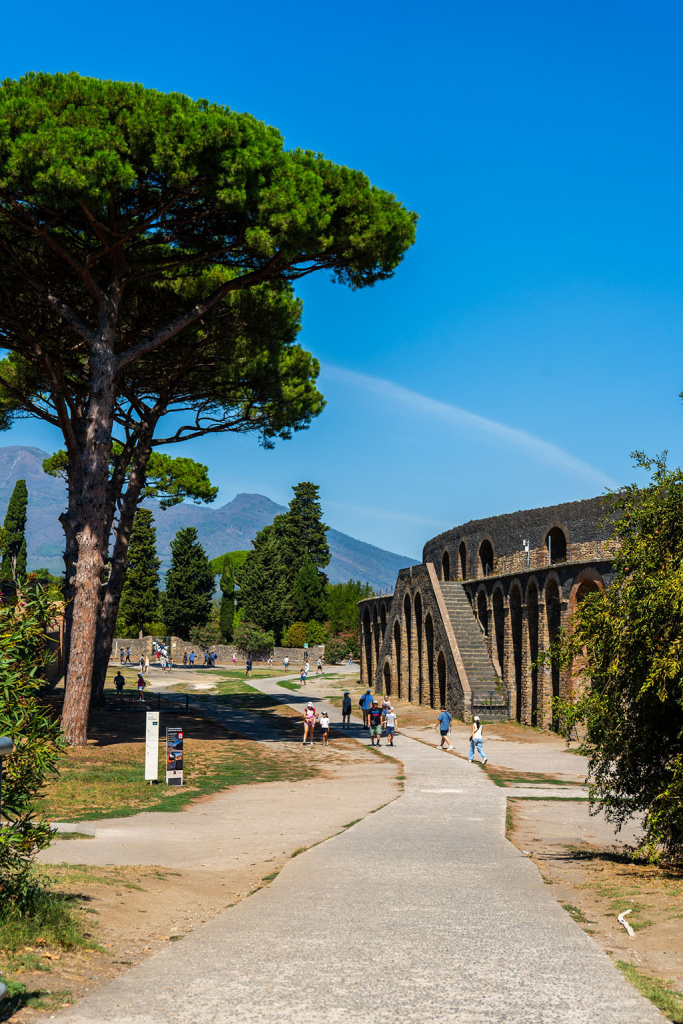
Pompeii is huge. Covering around 45 hectares, it’s simply impossible to see everything in a single day, let alone if you’re visiting as a day trip and only have half a day to explore. We had to make some choices during our own visit too. We started at the Porta Marina entrance and ended at Piazza Anfiteatro, making our way through Pompeii and passing several of its most impressive sights along the way. These are the Pompeii highlights we think you shouldn’t miss:
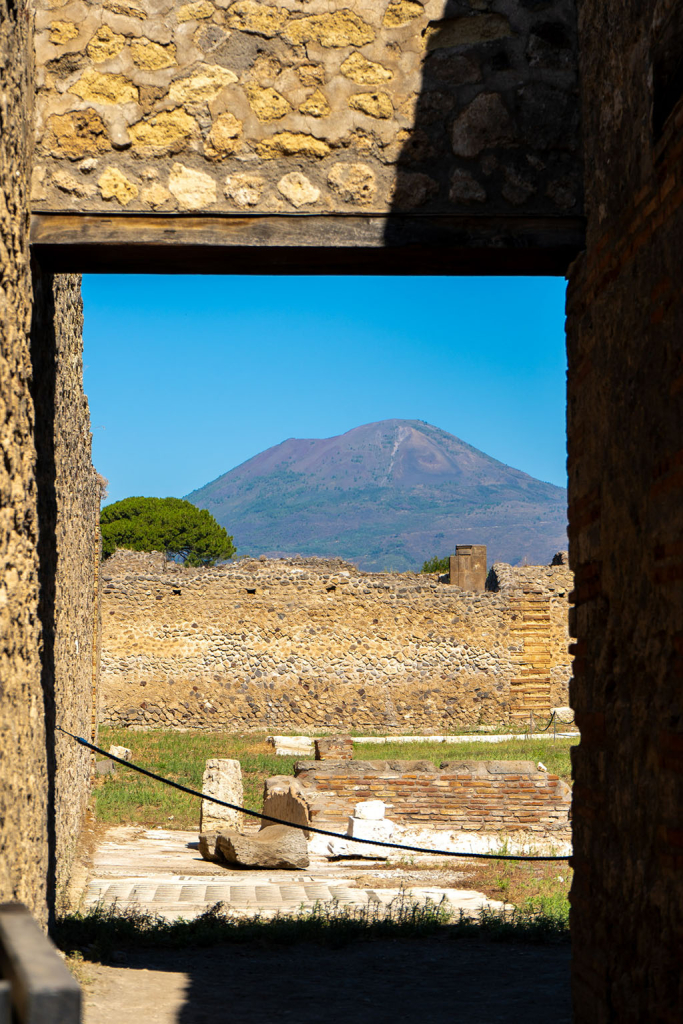
- The Forum: The city’s central square and the heart of everyday Roman life. From the Forum, you also have a beautiful view of Mount Vesuvius.
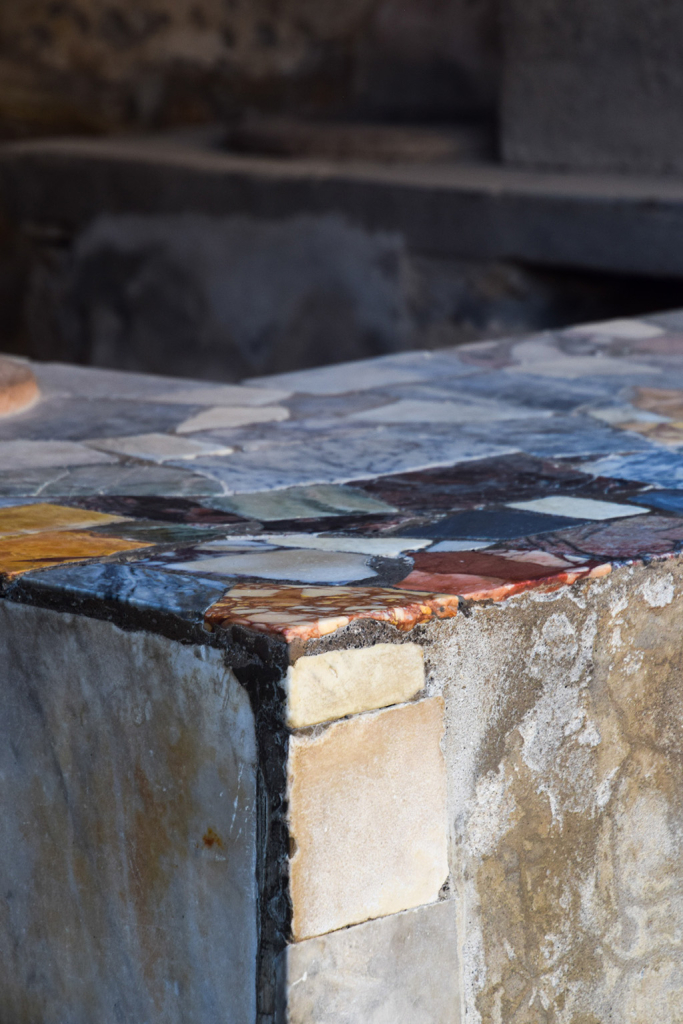
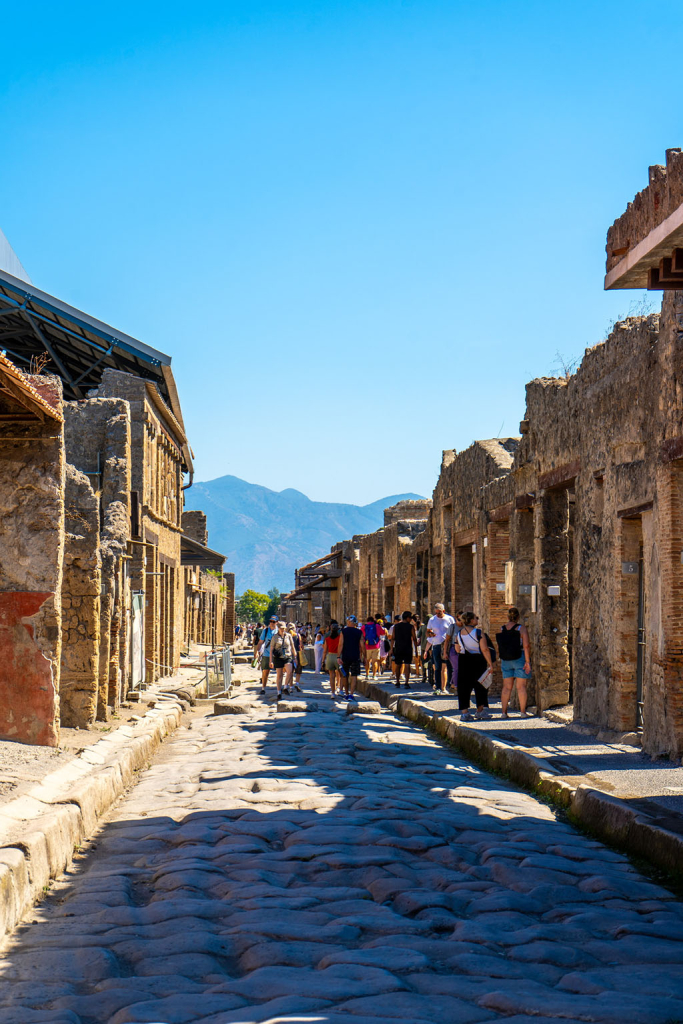
- Via dell’Abbondanza: This is Pompeii’s main street, lined with the remains of ancient shops, cafés and houses.
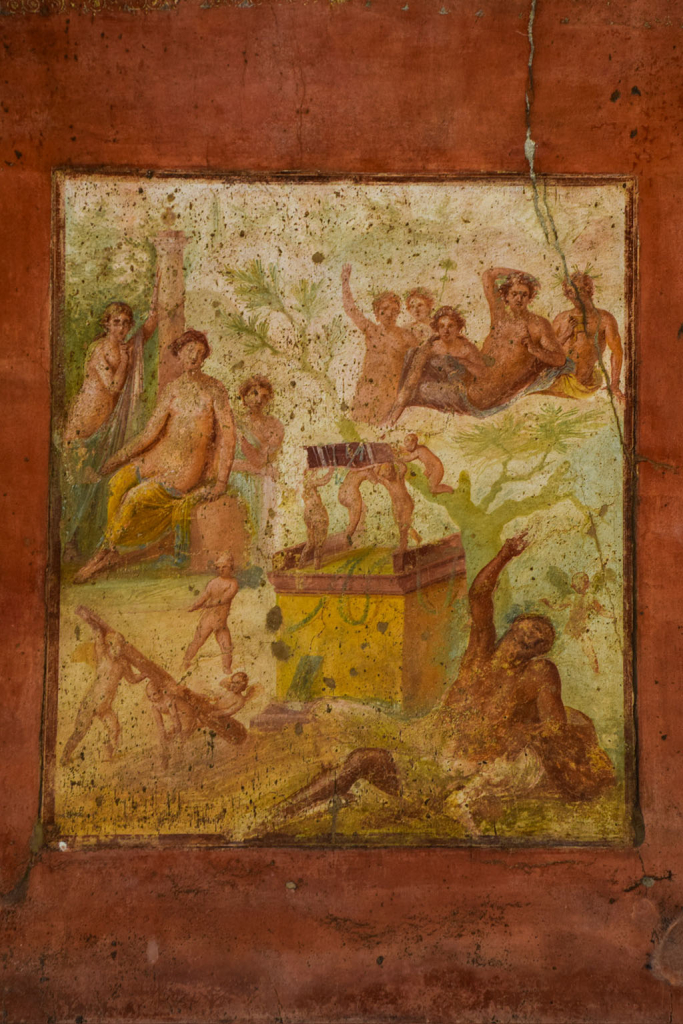
- Villa dei Misteri: This villa is located just off the main route, but it’s well worth the walk. Inside, you’ll find some of the best-preserved ancient frescoes, with vivid red colours that still seem to leap off the walls after all these centuries.
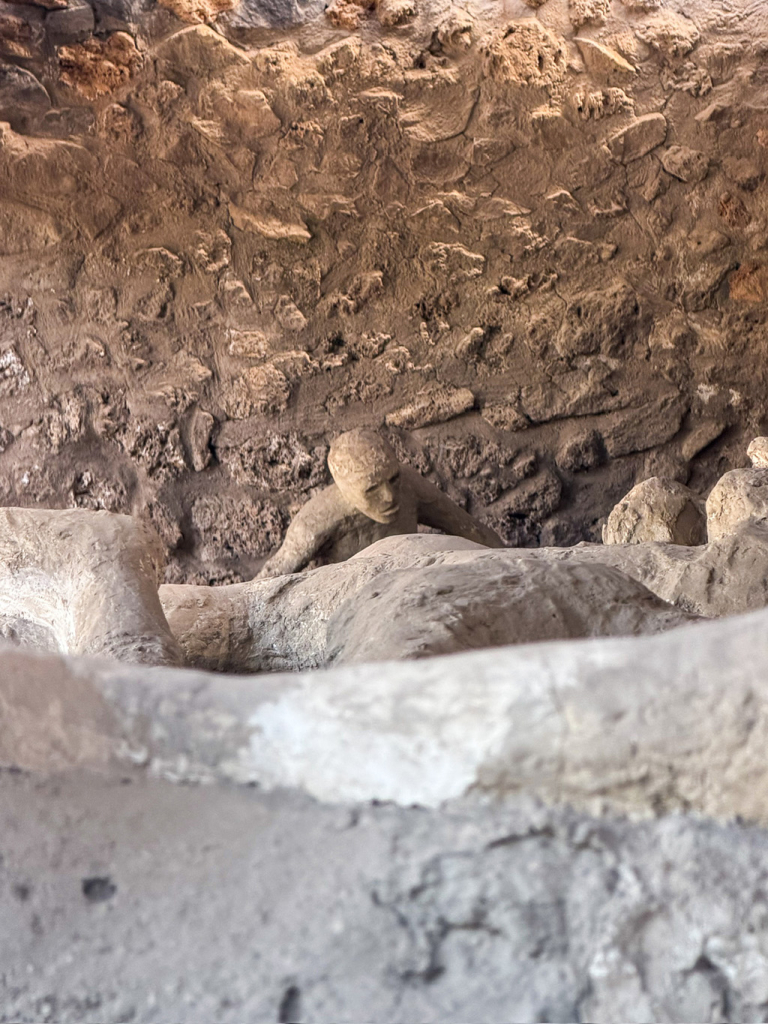
- The plaster casts of the victims: Perhaps the most striking and poignant sight in Pompeii is the collection of plaster casts of the victims. Archaeologists filled the cavities left behind in the volcanic ash with plaster, revealing the final moments of Pompeii’s inhabitants in haunting detail.
- Orto dei Fuggiaschi: Also known as the Garden of the Fugitives, this is one of the places in Pompeii where you can see plaster casts of the victims. Thirteen casts can be seen here, showing residents who tried to flee the city during the eruption.
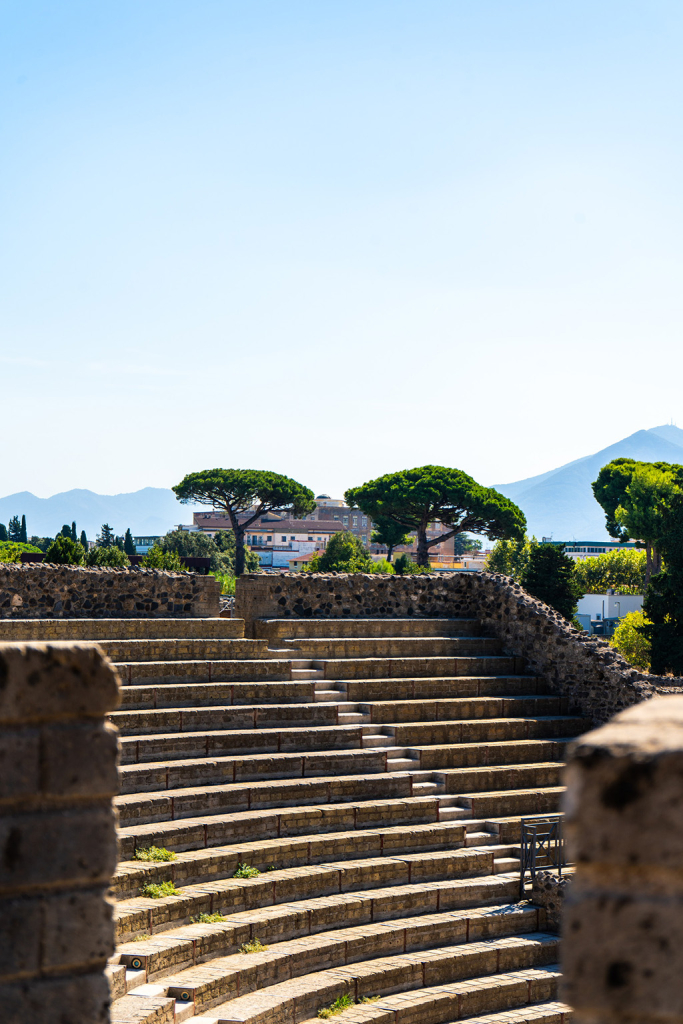
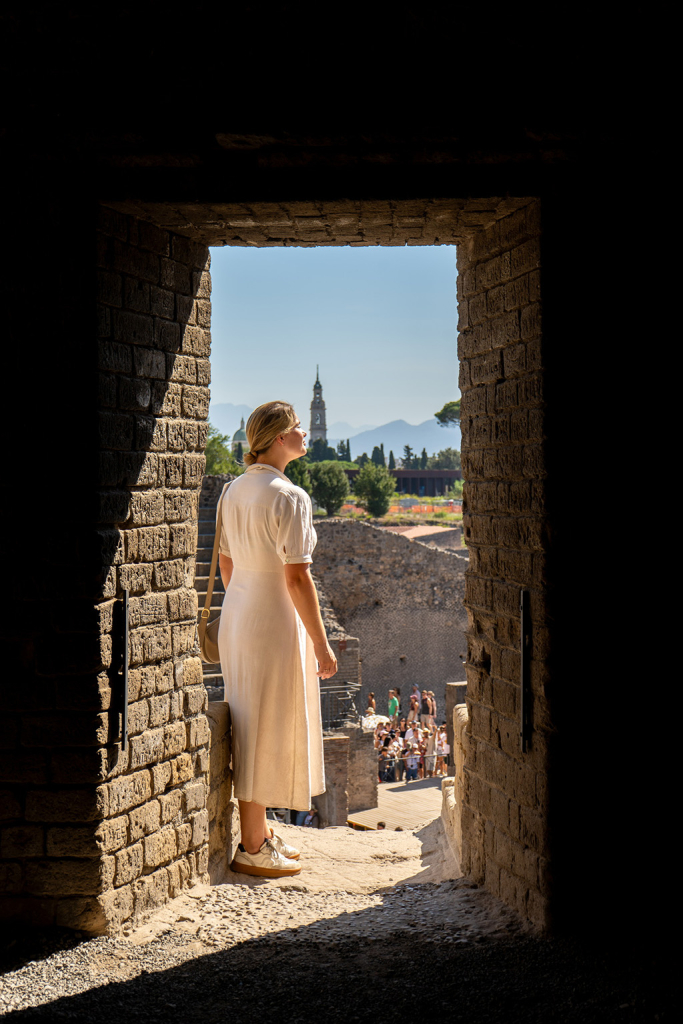
- The Small Theater, the Large Theater, and the Temple of Isis: Near the Porta Marina entrance, you’ll find these three sights close to one another.
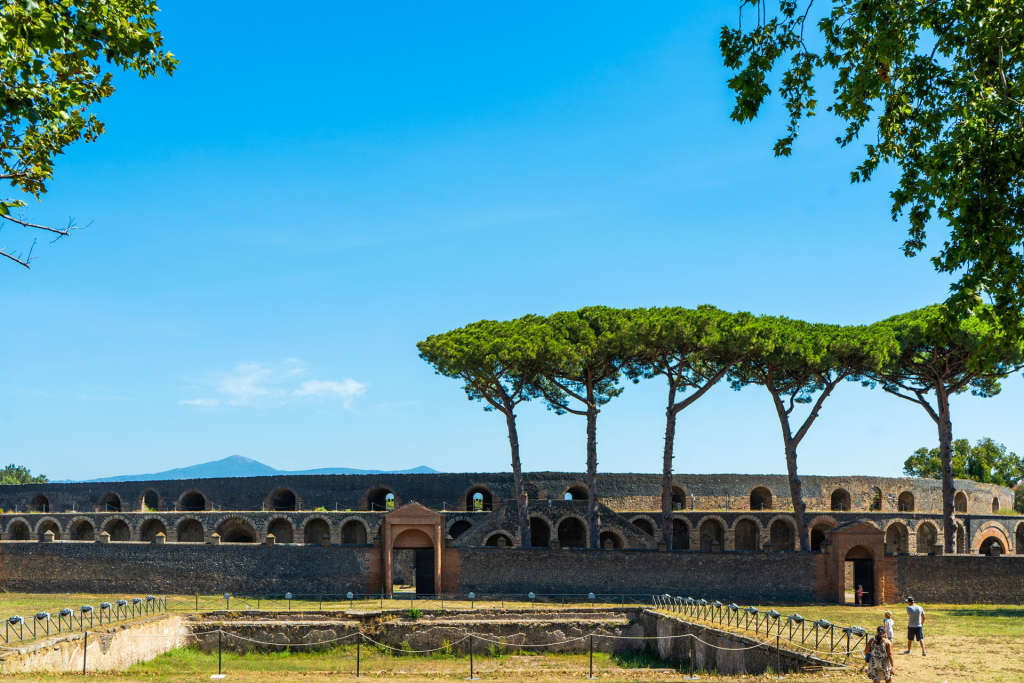
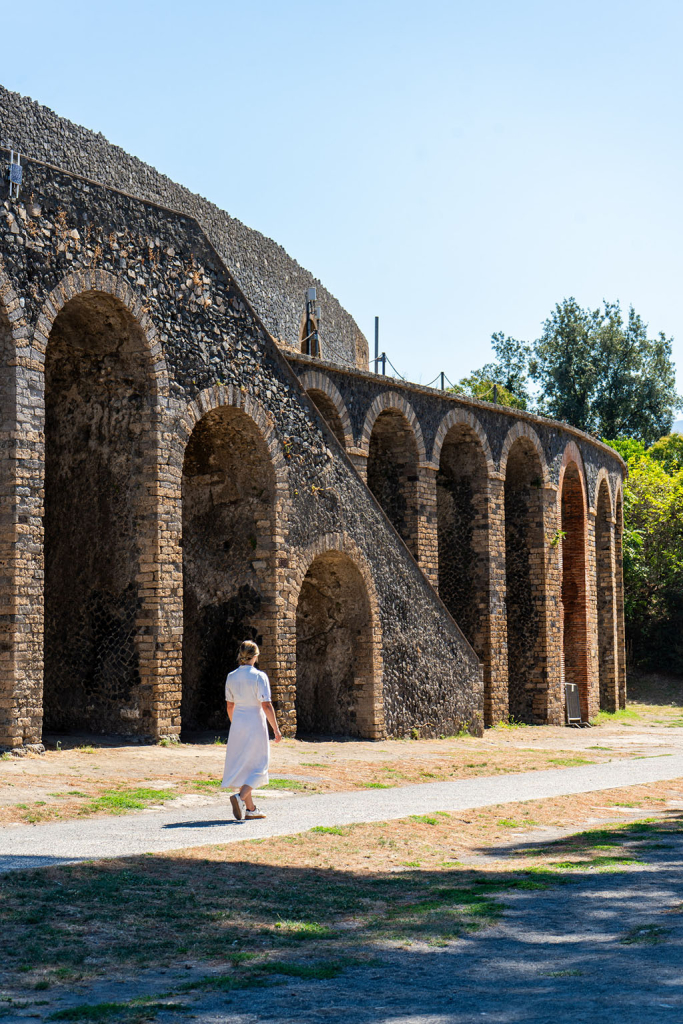
- The Amphitheater: The oldest surviving stone amphitheatre from the Roman era. In ancient times, up to 20,000 spectators gathered here to watch gladiator fights.


Visiting Pompeii independently or with a guide?
When we visited Pompeii, we faced the same choice: should we explore the ancient city on our own or book a guided tour? We decided to go independently, as we enjoy exploring at our own pace and taking the time to discover things for ourselves.
Both options have their advantages and disadvantages. Pompeii has relatively few information signs at the various buildings, so if you walk around without any preparation, it’s easy to see little more than a collection of ruins without understanding the fascinating stories behind them.
If you prefer to wander through the ancient streets at your own pace and occasionally look something up on your phone, exploring independently works perfectly well. But if you want the city and its stories to truly come to life, a guided tour can add a whole new dimension to your visit.
What to look for when booking a Pompeii tour
If you decide to visit Pompeii with a guide or as part of an organised tour, you’ll find countless options to choose from. To help you pick the right one, here are a few things to keep in mind when booking:
- Choose a tour with a small group: Few things are more frustrating than following a guide around with a group of 40 people. A small-group tour makes the experience much more personal and gives you more opportunity to ask questions along the way.
- Choose an archaeologist as your guide: Many of the tours are led by certified archaeologists. They know every little detail and can share stories you won't find in any travel guide.
- See what's included: Always check to see if the ‘skip-the-line’ admission ticket is included. That saves a lot of hassle at the entrance.
- Check the pickup and drop-off locations: Staying in Naples, Sorrento or along the Amalfi Coast? Many day tours include transportation by minibus, but be sure to check whether the pickup locations are convenient for you.
- Consider a combination tour: Have the whole day to explore? Then consider combining your visit to Pompeii with a trip to Mount Vesuvius by booking a combination tour. After exploring the ruins, you can head straight to the crater rim of the volcano that caused it all. It’s a great way to experience both sides of the story in one day.

Which Pompeii ticket should you buy?
Getting into Pompeii is straightforward, but with several entrances, ticket options and combination deals available, it can be difficult to know which one to choose. To make things easier, here’s an overview of the different tickets you can choose from:
- Pompeii Express: Provides access to the Old Town only.
- Pompeii Plus: In addition to providing access to the old town, it also provides access to various villas, such as the Villa dei Misteri.
- Grande Pompeii: This ticket gives you access to even more areas of Pompeii, but it may not be the most practical option for a one-day visit. Even with Pompeii Plus, it’s impossible to see everything in a single day. Only if you want to explore the entire site, this ticket is worth considering, but be sure to allow several days for your visit.
How do you get to Pompeii?
The archaeological site of Pompeii is surprisingly well located between Naples and the Amalfi Coast. As it’s such a popular day-trip destination, Pompeii is well connected by public transport and road. The best way to get there depends largely on where you’re staying.
From Sorrento and the Amalfi Coast
Staying along the Amalfi Coast or in the popular coastal town of Sorrento? You have several convenient options for getting to Pompeii:
- By train (Circumvesuviana): From the train station in Sorrento, you can easily take the train to Naples. After about 20 minutes, get off at the Pompei Scavi Villa dei Misteri stop. From there, it’s less than 100 meters to the main entrance.
- Organized day trip/transfer: Not keen on traveling by public transportation? Then book an organized day trip from Sorrento or the Amalfi Coast.
From Naples
Are you coming for a day trip from Naples? Then you'll be there in no time:
- By train (Circumvesuviana): Take the train from the Napoli Garibaldi station toward Sorrento and get off at Pompei Scavi Villa dei Misteri. Alternatively, you can take the more modern Metropolitano to the Pompei station, but from there it’s still a 15-minute walk to the entrance.
- Combined Tour with Mount Vesuvius: Many travelers staying in Naples combine a visit to Pompeii with a hike up Mount Vesuvius. An organized day trip from Naples, including transportation, lunch, and visits to Pompeii and Mount Vesuvius is ideal in that case.
By car (or scooter)
Are you travelling through Italy or staying somewhere else in the country? You can easily visit Pompeii as a day trip. During our trip along the Amalfi Coast with The Vespa Trip we visited Pompeii for the day too — although we got there by scooter (yes, really!).
Around the Porta Marina entrance, you’ll find several paid car parks and parking garages. We recommend avoiding street parking and choosing a secure, monitored car park instead. Parking usually costs around €2–€3 per hour for a car, while we paid a flat rate of €5 to park our scooter.
Looking for more travel inspiration for Italy?
- The Vespa Trip Amalfi Coast: Our 3-Day Italian Road Trip
- Discover the three most beautiful villages on the Amalfi Coast
- Things to Do in Valle d’Aosta: The Best Winter Sports Tips
- The most beautiful sights of Rome
- The 4 Best Neighborhoods to Stay in Rome
- Things to Do in Rome: The Best Tips for a City Trip