
Curaçao is known worldwide as one of the most beautiful diving destinations in the Caribbean. The island has crystal clear waters, colorful coral reefs and an impressive biodiversity that will surprise any diver. In this article you will discover everything you need to know about diving on Curaçao: from the most beautiful dive sites to the best diving schools and practical tips for getting your diving license. I also share my personal experience at Ocean Encounters, where I made my first dive and eventually got my diving license.
Why dive on Curaçao?
It is not for nothing that Curaçao regularly appears in lists of the best diving and snorkeling spots in the world. Underwater visibility is often more than 30 meters, the water is warm and the coastline is bursting with exceptional dive sites. In addition, the reef is easily accessible from shore, which also makes Curaçao popular among shore divers.


These are the best places to dive on Curacao
There are dozens of dive spots on Curaçao, scattered on both the west and east coasts. My personal recommendations are:
-
Mushroom Forest: one of Curaçao's most famous dive sites, with mushroom-shaped coral formations.
-
Blue Room: a magical underwater cave where the light falls beautifully inside.
-
Tugboat: a sunken tugboat just five meters deep, ideal for beginners and also good snorkeling.
-
Director's Bay: a quiet spot with interesting coral formations and often few other divers.
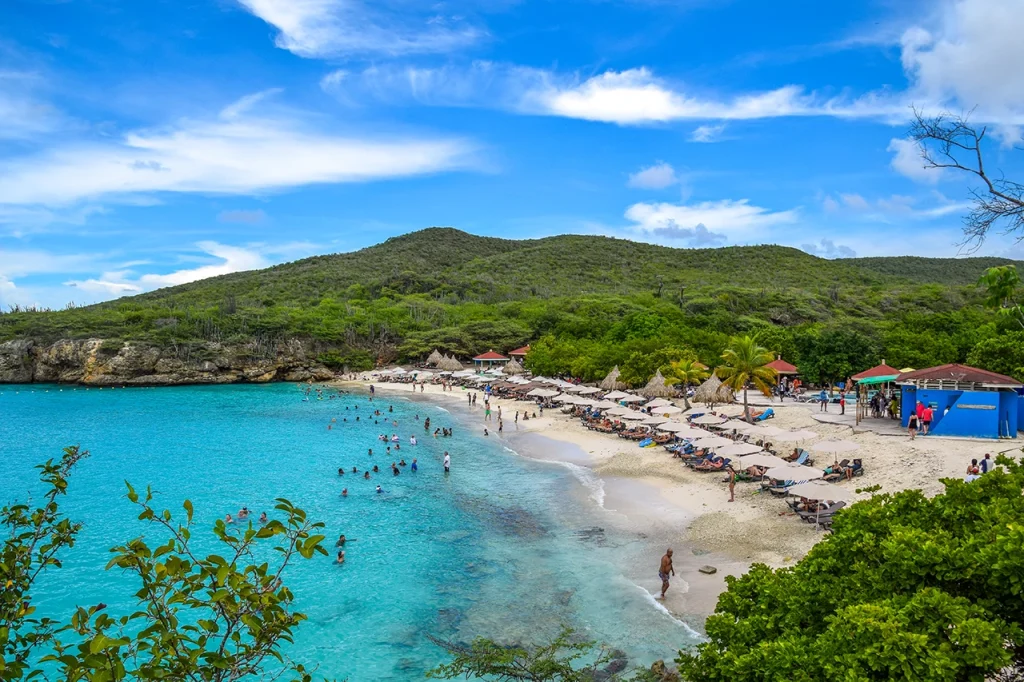
Diving is a unique experience, but not everyone is comfortable with it. Fortunately, snorkeling on Curaçao is just as beautiful. You don't need a license and in many places you can enter the water right from the beach. These are the most beautiful snorkeling spots on Curacao.
Where can you dive in Curaçao?
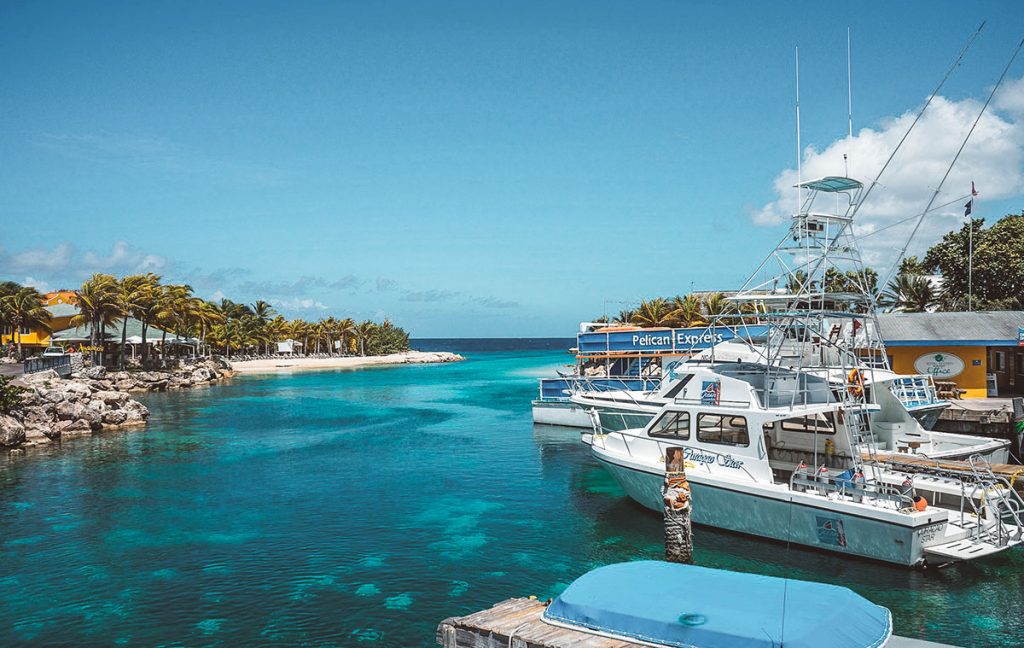
Scattered around the island are several diving schools. A popular spot for both beginners and advanced divers is the area around Mambo Beach. Here you will find, among other things, Ocean Encounters, the largest diving school on the island.
My diving experience at Ocean Encounters
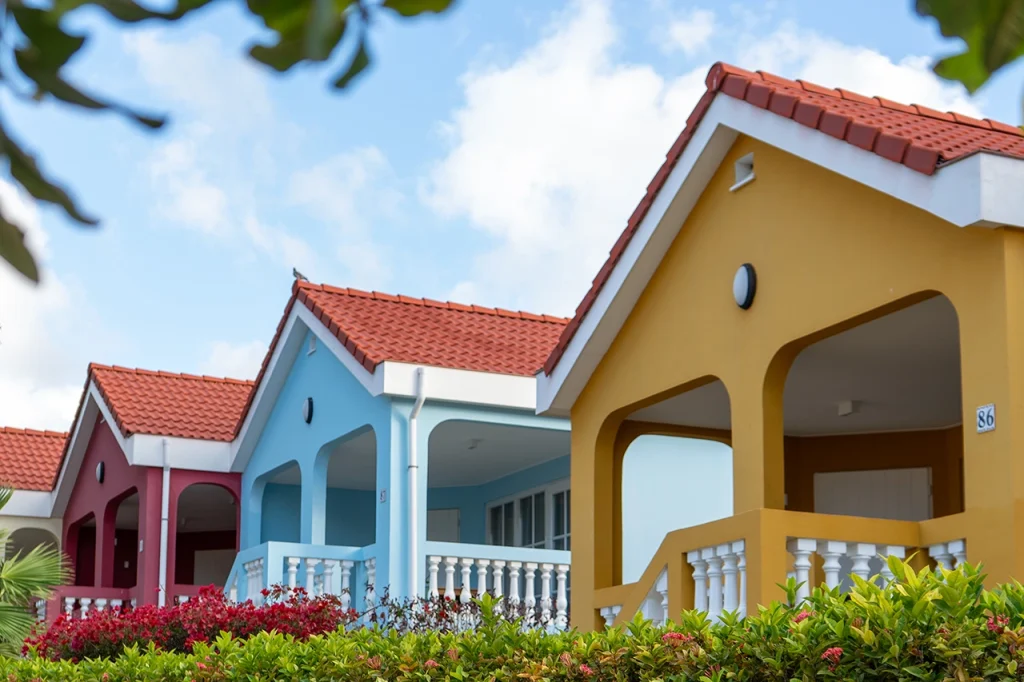
During my stay at the LionsDive Beach Resort, a beautiful 4-star resort on Mambo Beach, I decided to take the adventure and learn to dive. Ocean Encounters is right on the resort grounds and is run by a passionate team, led by Jeremiah and his Dutch wife. From the first moment I felt at ease, despite my healthy excitement for this new experience.
We started with a trial dive, where I learned the basics of diving and breathed underwater for the first time, a crazy but special feeling. Then I started the SSI Open Water course, a multi-day course where I learned to dive step by step to a depth of 18 meters. Besides learning diving techniques, you get access to digital learning materials and finish the course with a theoretical exam.
Ocean Encounters also organizes day excursions by boat to such places as Mushroom Forest, the Blue Room and other spectacular locations. So you don't even need to bring your own equipment, everything is taken care of!


SSI or PADI: what's the difference?
At Ocean Encounters today you work with the PADI diving system. This is recognized worldwide, as is the well-known SSI system. The content of both courses is similar, but SSI is often just a little more affordable. Wherever you get your diving certification, with both SSI and PADI you can dive worldwide.
The Curaçao Reef Restoration Program.
Ocean Encounters is involved in the Curaçao Reef Restoration Program. This special project helps to restore damaged coral reefs by means of so-called coral trees on which young corals are hung and grown. After several months, these are released back into the ocean. By diving here you indirectly support the preservation of the beautiful marine life of Curaçao.


Practical tips for your Curacao diving vacation
If you are going diving on Curaçao, we have some practical tips to be aware of. First of all: you do not need a diving license to do a first introduction to diving. Many diving schools, including Ocean Encounters, offer so-called introduction dives. This is ideal if you want to discover if diving is for you. Want to get serious and get certified? Count on about 3-4 days to get your Open Water certification, including theory, exercises and diving.
Curaçao has good diving conditions year-round, with warm water (around 26-29°C), good underwater visibility and relatively little current. The best travel time is between January and June, when it is drier, but you can also dive well here in the summer months.
What you need. Most diving schools provide you with all the necessary equipment, such as a wetsuit, fins, goggles, air cylinder and possibly a dive computer. Still, it is useful to bring your own well-fitting mask if you want to dive more often, or if you also like to snorkel, for example. In addition, do not forget to drink enough water, use sunscreen without harmful substances (reef safe!) and bring a towel and dry clothes for after diving.
It is wise to book a diving school in advance, especially in high season. And note that if you are going to fly, you should not enter the plane immediately after diving. There should be at least 18 to 24 hours between your last dive and your flight to avoid risks!
More tips for your Curacao vacation
Besides diving, are you curious about other activities you can do on the island? Then be sure to read our travel guide full of vacation tips for Curacao, in which we take you to the island's most beautiful beaches, tastiest restaurants and best sights!