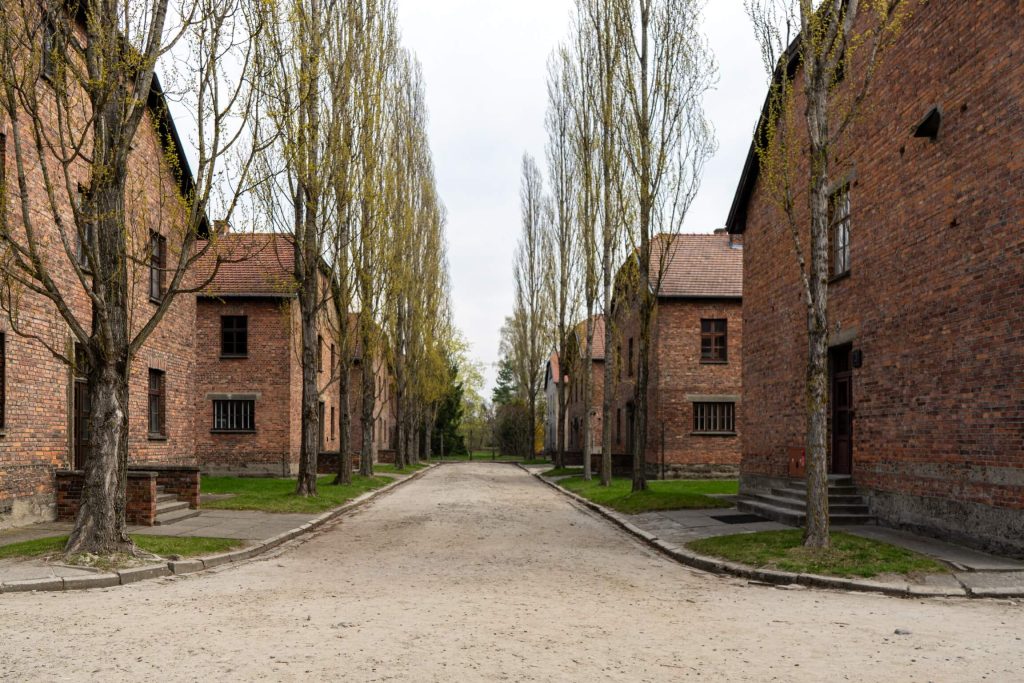

During our city trip to Krakow, we decided to visit the Auschwitz-Birkenau concentration and extermination camp. And honestly, we found it incredibly intense. Mainly because of what it does to you emotionally. It’s a place where you automatically become quiet, where you move slowly through the grounds, and where you realize you’re trying to understand something that is ultimately impossible to fully comprehend. That’s also why we don’t believe Auschwitz-Birkenau belongs on a typical list of “things to do in Krakow.” It’s not a highlight or a classic city trip activity. It’s a place that requires time, respect, and attention. That’s exactly why we decided to write a separate article about visiting Auschwitz-Birkenau from Krakow. Not only to explain the practical side of visiting the Auschwitz-Birkenau Memorial and Museum, but also to create space for the historical context, our personal experience, and the emotional impact this place leaves behind.
The history behind Auschwitz-Birkenau: World War II and the Jewish community in Poland
To truly understand Auschwitz-Birkenau, it helps to take a step back into history first. Not only to the events of the Second World War, but also to the important role Poland, and especially Krakow, once played within the Jewish community in Europe.
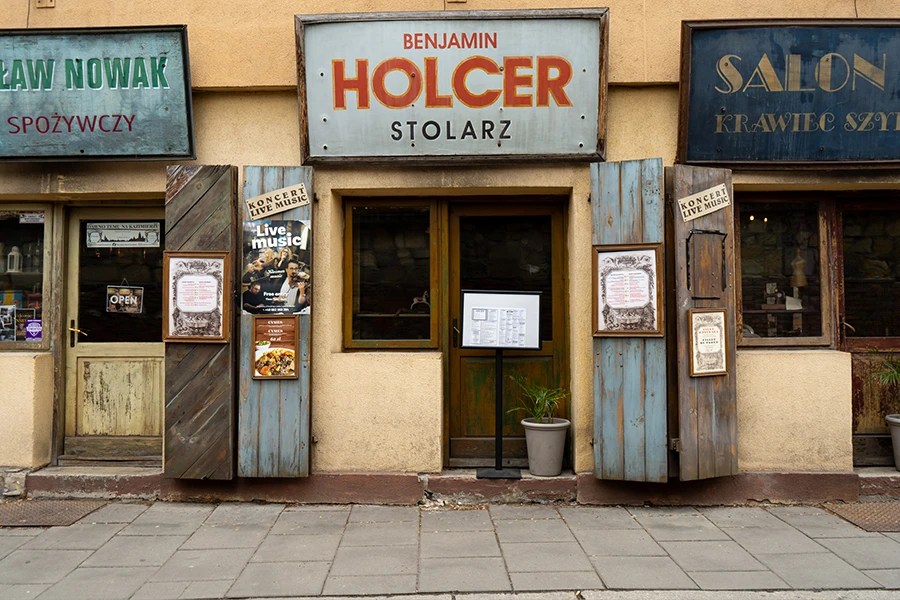
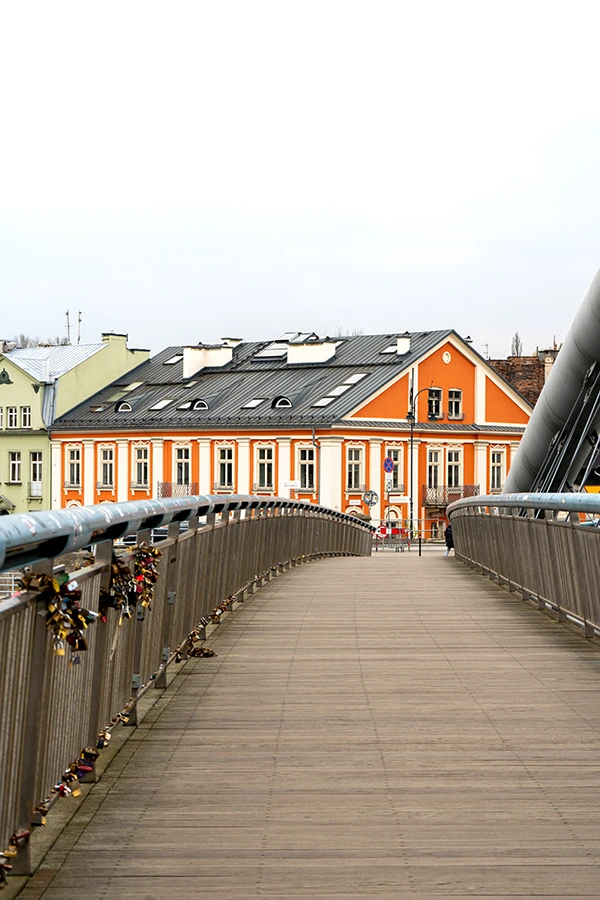
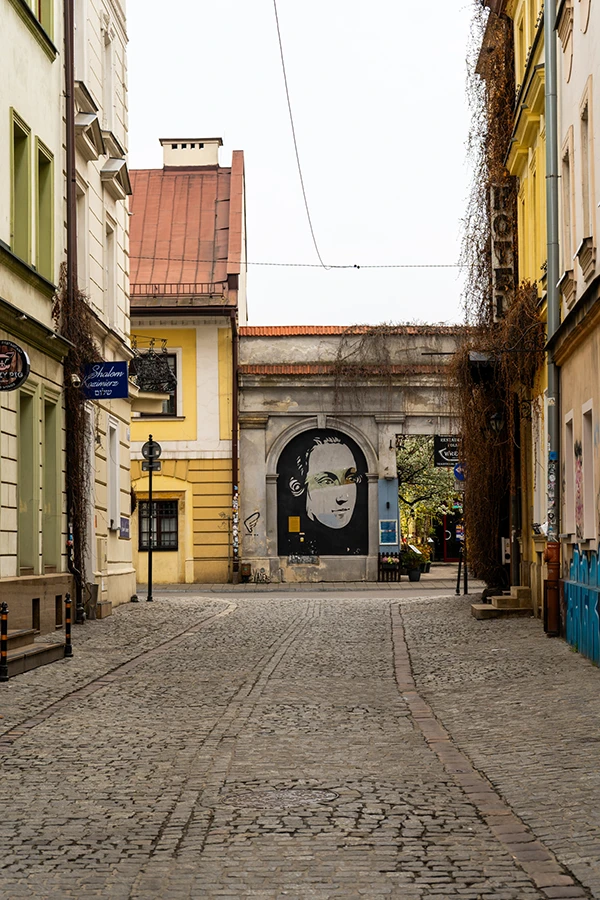
Before the war, Poland was one of the most important centers of Jewish life in Europe. In cities like Krakow, the community played a major role in the city's daily life, economy and culture. This was especially evident in the Kazimierz district. Here Jewish families lived side by side for centuries, with synagogues, schools and a rich cultural life. Jewish communities were also present in nearby Podgórze, a part of the city that would later take on a much darker role in history.
Read more about the Jewish neighborhoods of Kazimierz and Podgórze in Krakow
The invasion of Nazi Germany
With the invasion of Nazi Germany in 1939, all this changed abruptly. The Jewish population was systematically persecuted, forcibly relocated and eventually deported. In Krakow, a ghetto was established in Podgórze where thousands of Jewish residents were brought together under degrading conditions. What were once vibrant city neighborhoods turned into enclosed areas full of fear, uncertainty and loss.
It is within this historical context that Auschwitz-Birkenau must also be understood. Located in Oświęcim, about an hour from Krakow, the camp became one of the most important sites within the Nazi regime where the systematic extermination of Jewish communities took place. What originally started as a concentration camp eventually grew into the largest extermination camp of the Holocaust, where more than one million people were murdered, most of them Jewish.
It makes the connection with Krakow deeply tangible and emotional. The city that feels so vibrant, beautiful, and historic today also carries this inseparable part of its history. That contrast makes a visit to Auschwitz-Birkenau not only incredibly impactful, but in many ways also essential. It is not a separate story, but part of a much larger history that can still be felt in the places you visit in Krakow today.
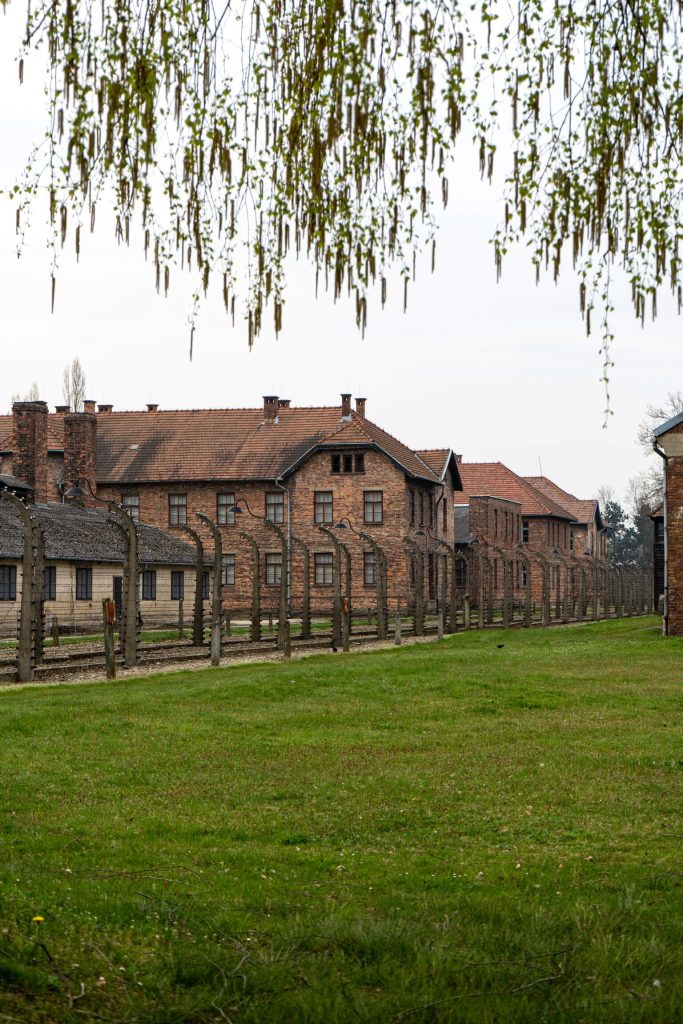
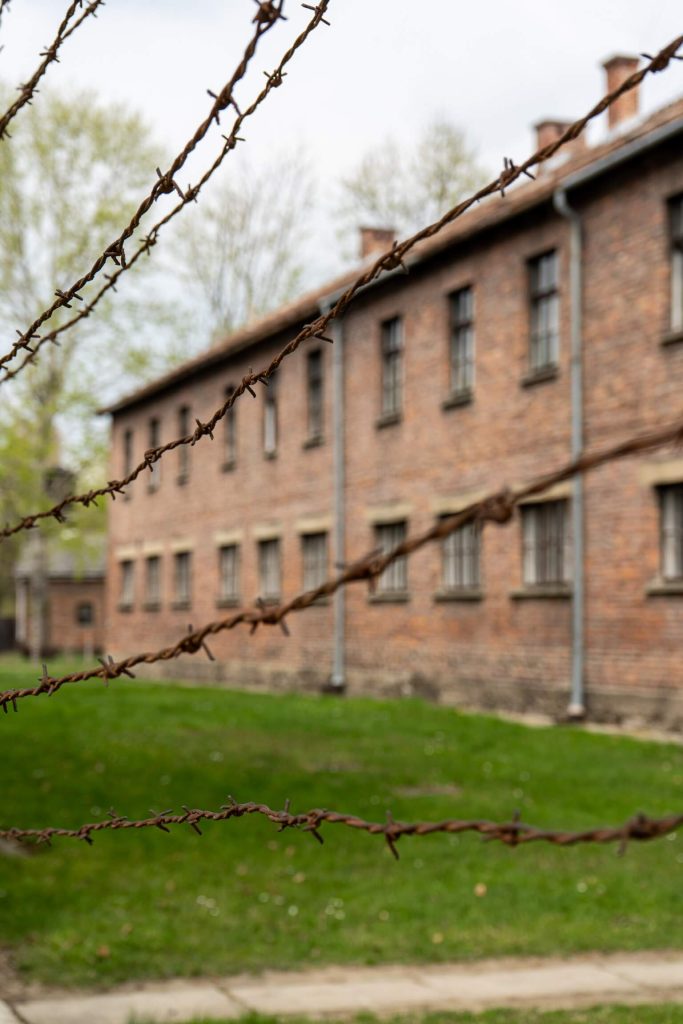
The Auschwitz-Birkenau Memorial and Museum
The Auschwitz-Birkenau Memorial and Museum consists of two parts you can visit: Auschwitz I and Auschwitz II-Birkenau. Together they form the memorial where you can learn more about the history of the camp and the victims of the Holocaust.
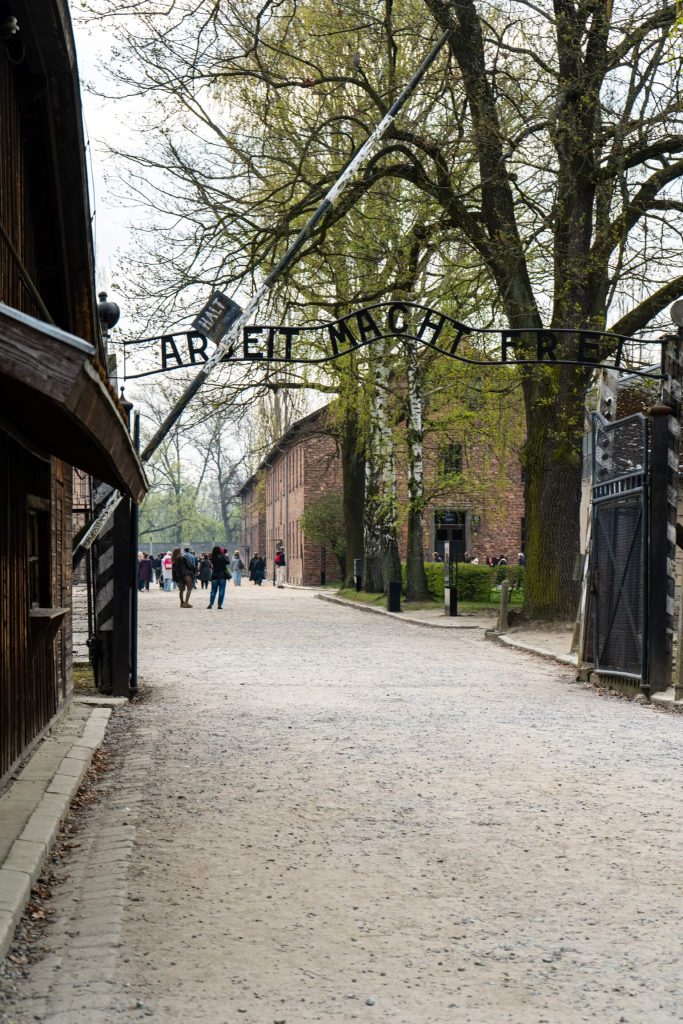
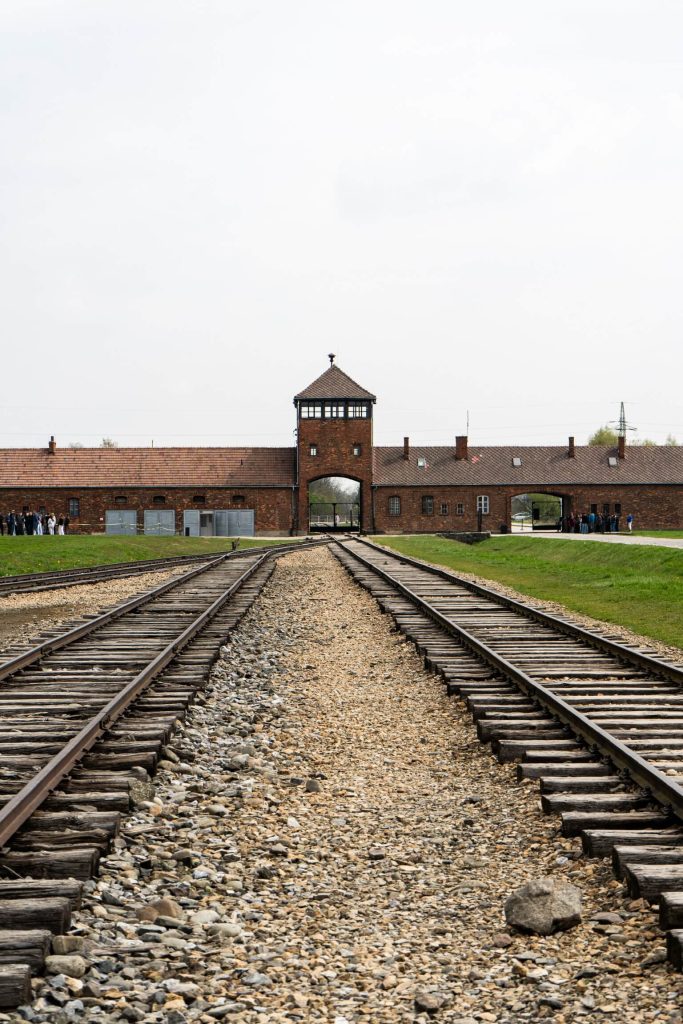
Auschwitz I is the original concentration camp, known for its infamous “Arbeit Macht Frei” entrance gate and the various exhibitions inside the former barracks. Auschwitz II-Birkenau, located a few kilometers away, was the much larger extermination camp and leaves a lasting impression because of its immense scale, the railway tracks, and the endless rows of barracks.
Originally, however, the Auschwitz complex consisted of several camps. In addition to Auschwitz I and Auschwitz II-Birkenau, there was also Auschwitz III-Monowitz, a large labor camp associated with the region's industry that later developed into Auschwitz's main industrial subcamp.
In this article, we consciously choose not to describe every fact, number, and story in detail. Not because they are unimportant — quite the opposite — but because the impact of Auschwitz-Birkenau is difficult to fully capture in words. That is exactly why visiting the Memorial and Museum is so important: as a lasting reminder of what should never happen again. For up-to-date information about tickets, opening hours, guided tours, and visitor rules, we recommend visiting the official website of the Auschwitz-Birkenau Memorial and Museum.
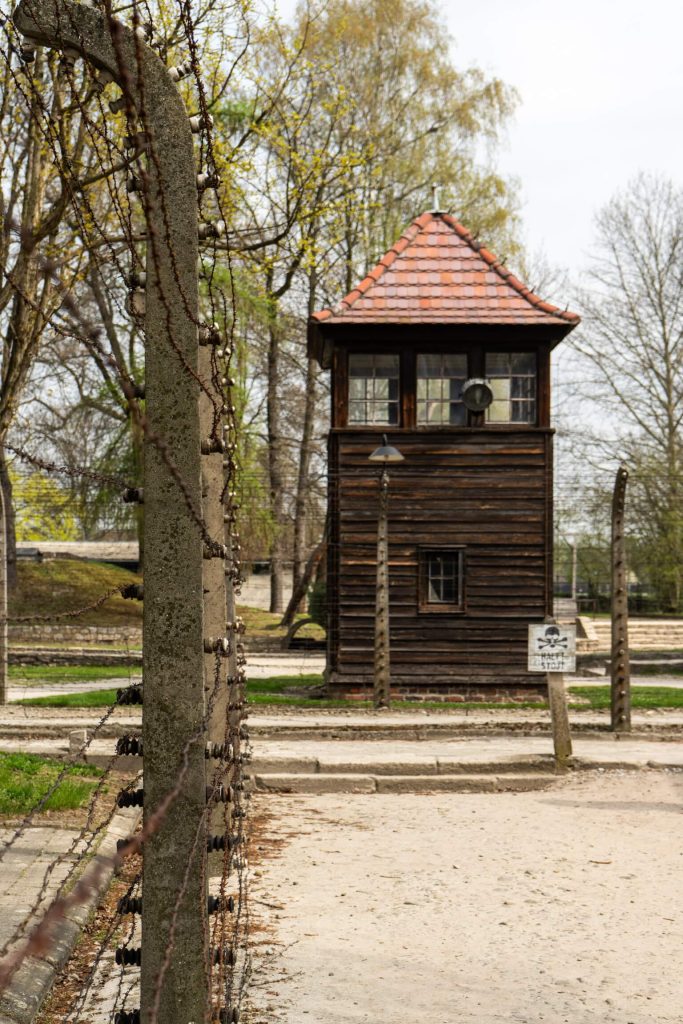
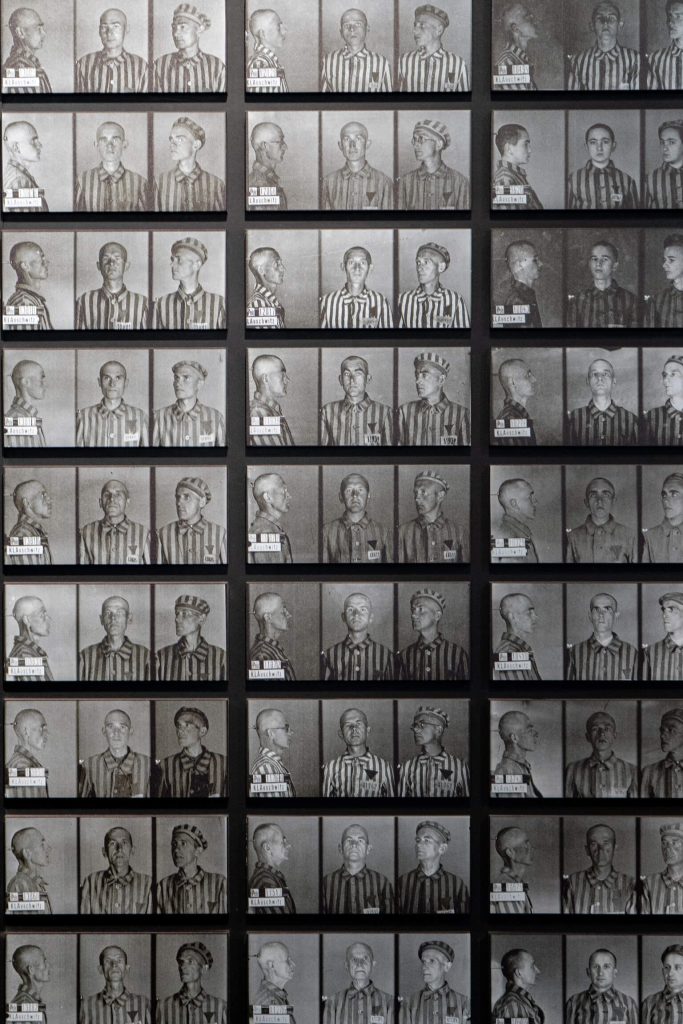
Our visit to the Auschwitz-Birkenau Memorial and Museum
We visited the Auschwitz-Birkenau Memorial and Museum during our trip to Krakow, after previously exploring the districts of Kazimierz and Podgórze. It was there that we had already learned a lot about the Jewish history of the city and the impact of the Second World War on Krakow. That historical context helped us better understand what we were about to see, although the order in which you visit these places does not really matter. Either way, the experience remains incredibly intense.
From the moment we stepped onto the grounds of Auschwitz I, we felt chills run through our bodies. Especially when standing in front of the entrance gate bearing the words “Arbeit Macht Frei”. Just standing beneath it is almost impossible to comprehend. A phrase that was once used as a cynical tool of deception, while knowing exactly what happened behind that gate today. That contrast makes the experience even more surreal and confronting.
We walked slowly across the grounds of Auschwitz I, passing barracks, execution sites, exhibitions, and fences that constantly remind you of what happened here. You also encounter rooms filled with personal belongings of victims. Some of these spaces are deeply confronting, precisely because the stories suddenly become tangible.
Afterwards, in Auschwitz II-Birkenau, that sense of emptiness became even more overwhelming. Vast open fields, the remains of railway tracks, and the endless space make the scene even more striking. It is difficult to put into words exactly what you feel there. Heavy, intense, and deeply unsettling, but in reality all of those words fall short. Above all, it is quiet. An unnatural kind of silence.
What can you expect from your visit to Auschwitz-Birkenau?
A visit to Auschwitz-Birkenau is intense and emotionally heavy. That is why it is important to mentally prepare yourself as well. The emotions often stay with you long after your visit. Keep this in mind when planning your day, and avoid scheduling too many other activities afterwards.
We recommend visiting Auschwitz-Birkenau with a guide. On a guided tour, you'll get more context and background on the places you walk by, so the story comes in better and you understand exactly what you're seeing. The standard tour lasts about three and a half hours. We recommend booking tickets in advance, especially in high season.
Check out the different guided tours (with transfer from Krakow)
It is also important to visit Auschwitz-Birkenau with respect. Many visitors remain quiet and take time to reflect. Appropriate clothing, calm behaviour, and respect for the victims and their families feel like a natural part of the experience here. Photography is allowed in many areas, but not everywhere.
Auschwitz-Birkenau is a place that bears witness to immense cruelty and inhumanity, but at the same time also to remembrance, survival, and the importance of continuing to tell these stories. That is why we believe it is so important that this history remains visible.
Discovering more of Poland, focusing on history
A journey through Poland not only reveals beautiful cities, nature, and castles, but also confronts you, in certain places, with parts of European history that are still deeply felt today. Krakow and Auschwitz-Birkenau are perhaps the most striking examples of this, but you will also encounter stories from the Second World War in other parts of the country.
We previously wrote about a city trip to Wrocław and a visit to the impressive Książ Castle in Lower Silesia, where a dark wartime history lies hidden behind its beautiful halls and gardens. In this same region of Lower Silesia, you will also find various historical sites and UNESCO-listed landmarks that show just how layered Poland’s history truly is.
Are you curious about more travel tips for Poland? Then make sure to check out our other articles as well:

Customized Poland Itinerary
Auschwitz-Birkenau shows just how layered and impactful the history of Poland truly is. If you want to deepen your journey and discover more of the country with added context on its culture, history, and unique places, we would be happy to help. From Krakow and Wrocław to the Lower Silesia region and the Tatra Mountains, we can design a trip that matches your pace and interests, with attention not only to the well-known highlights but also to the stories behind them.