Anyone visiting Krakow on a city trip can’t miss the Kazimierz district. It’s not a neighbourhood that reveals itself in a single first impression, and that’s exactly what makes it so fascinating. This is where history, creativity, and a raw edge come together. But did you know that just across the river, the Podgórze district is just as impressive? While Kazimierz buzzes with energy, Podgórze is where history becomes tangible. In this article, we’ll take you through the most important sights in these two remarkable Jewish districts, show you where to stay, and of course share the best food spots. From street food to Michelin-worthy restaurants.
Kazimierz: the heart of Krakow's Jewish community
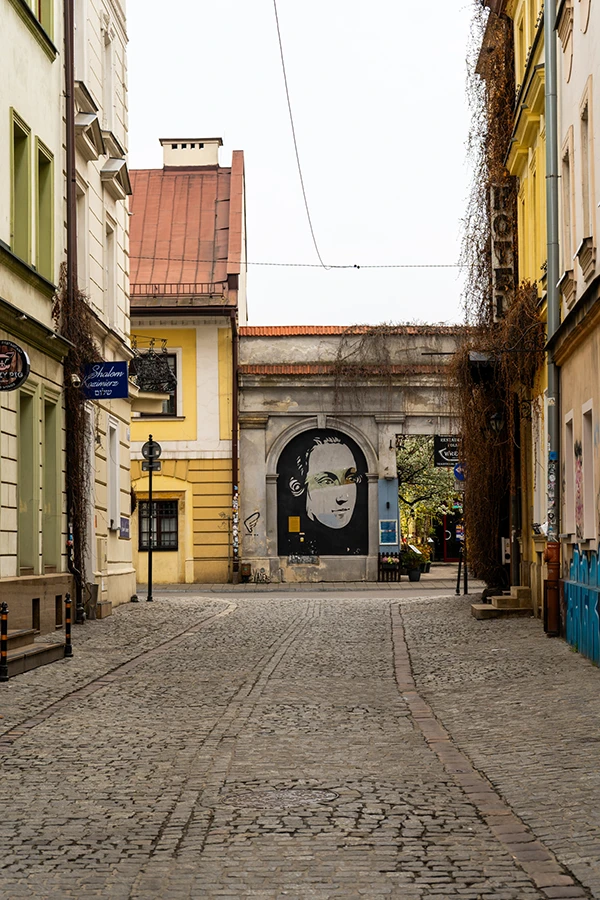
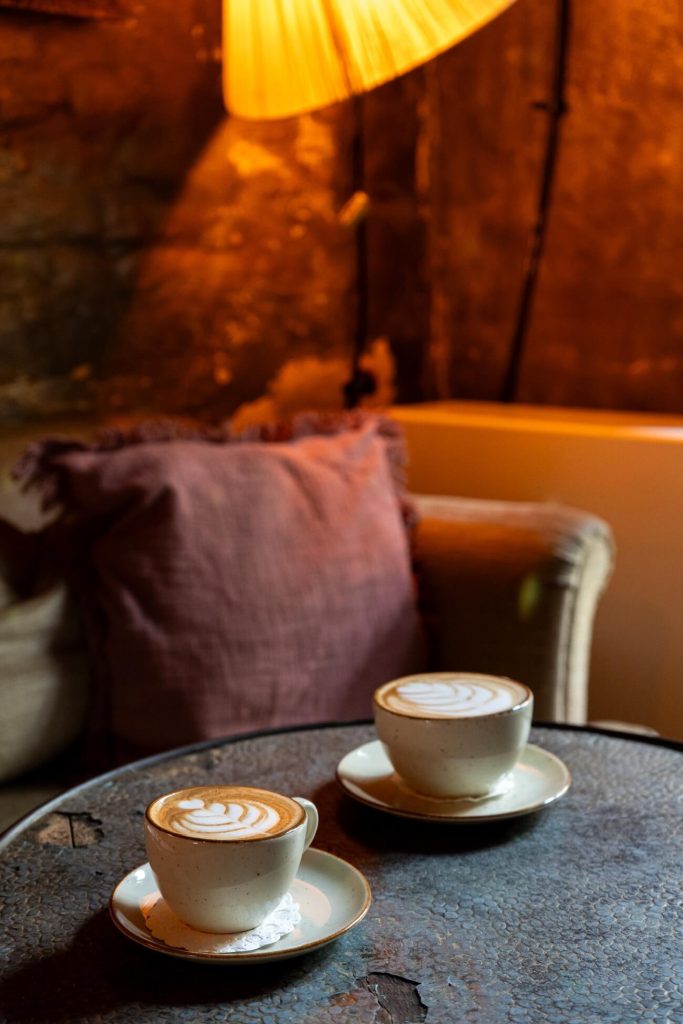
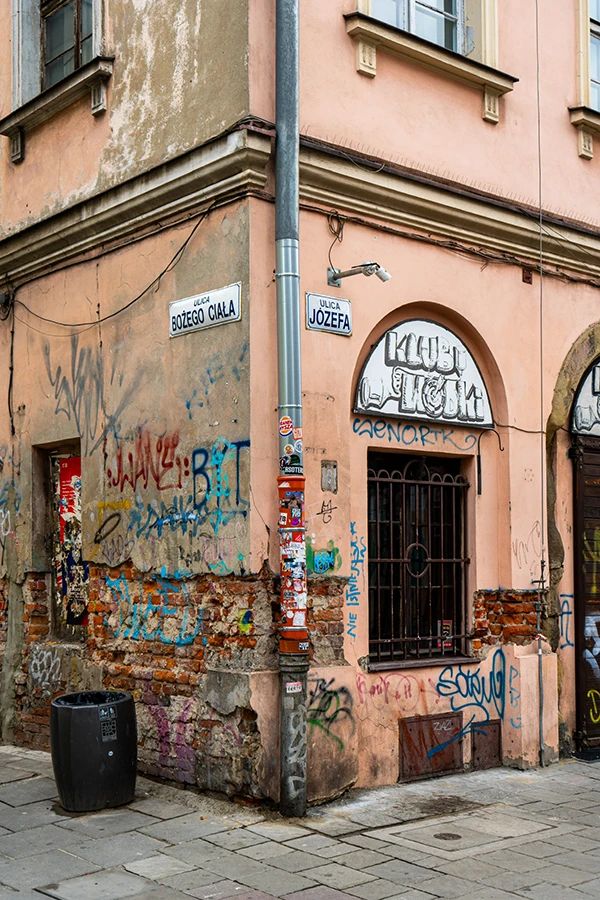
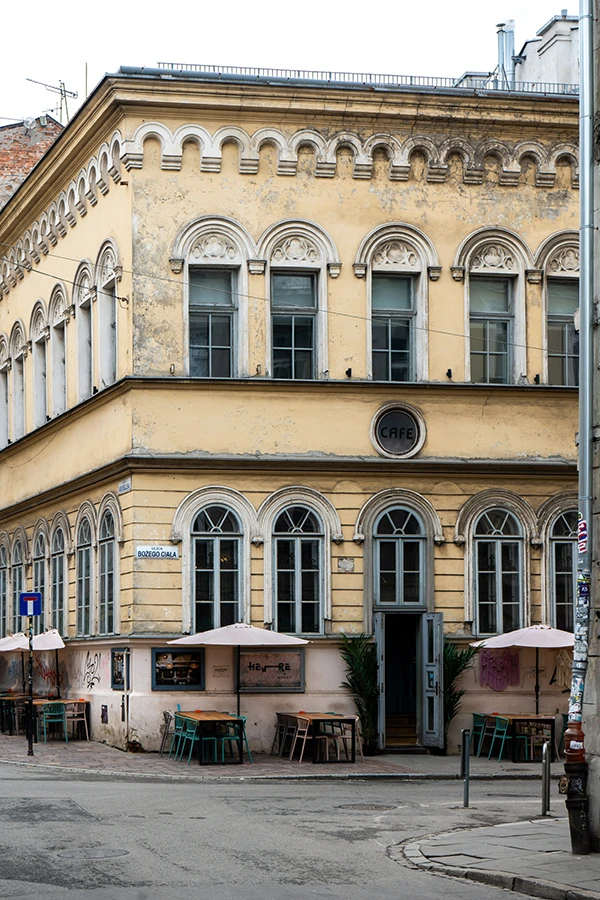
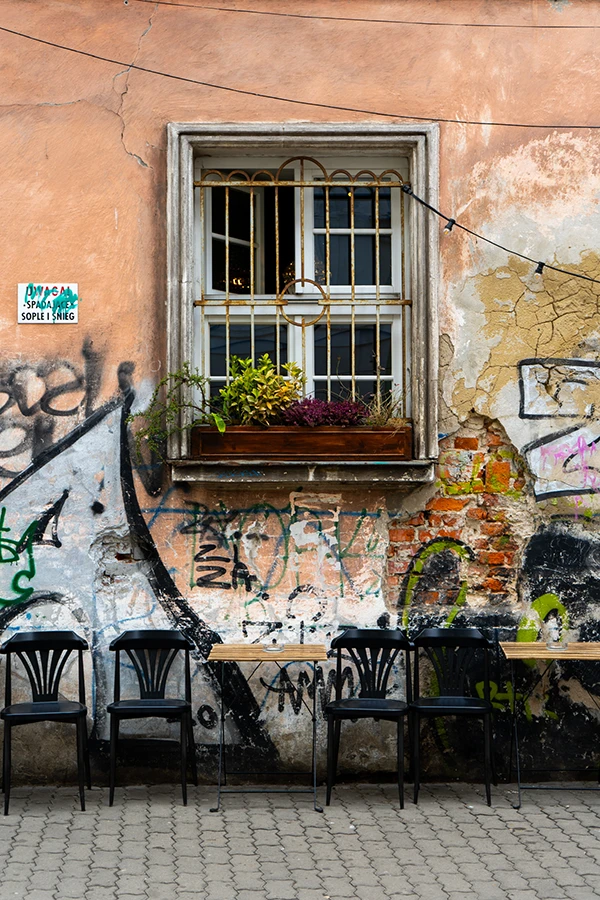
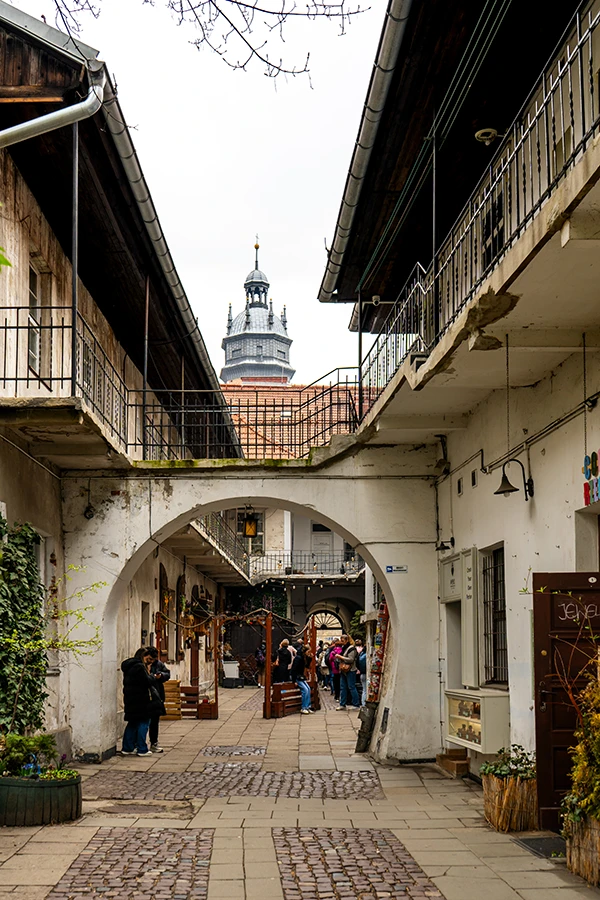
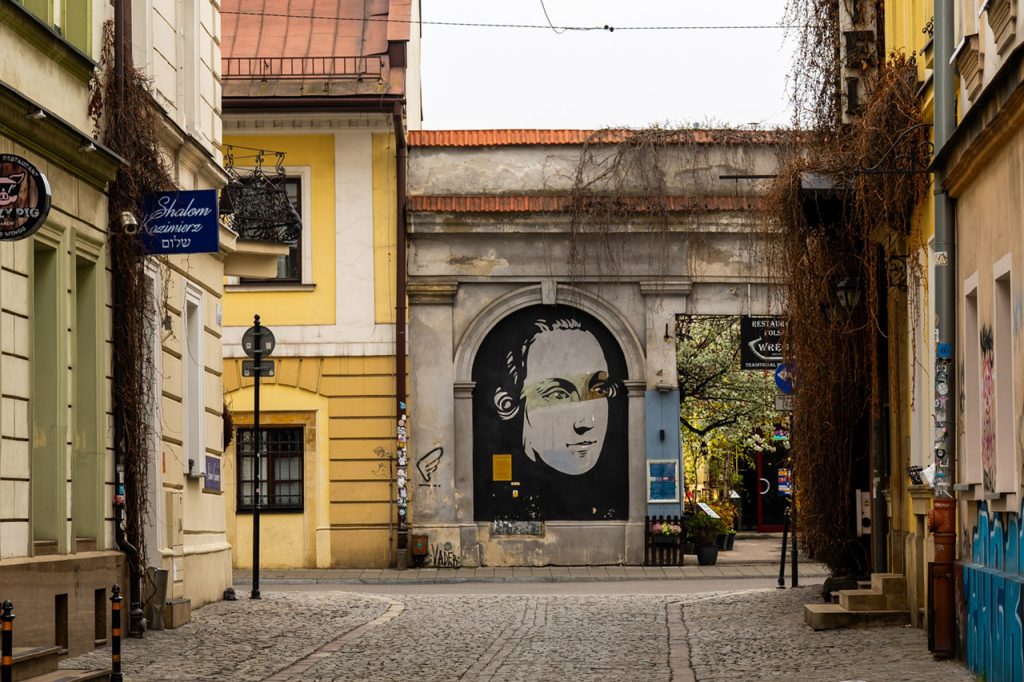
For centuries, Kazimierz was an independent town where Krakow’s Jewish community lived. Today, however, it is one of the city’s most characterful neighbourhoods. During the day, it can sometimes feel surprisingly quiet, with broken shutters and silent streets giving it a slightly raw edge. But later in the day, Kazimierz comes to life. Behind a weathered façade, you’ll suddenly find a cozy, modern café, while in the square people gather with a zapiekanka in hand.
Kazimierz is a district in Krakow known for three things that go remarkably well together: history, gastronomy and creativity. Rich history is woven into the streetscape of Kazimierz, but in between you'll find culinary delights and distinctive bars.
What to do in Kazimierz: the best sights and fun tips
Today, Kazimierz is one of the most enjoyable neighbourhoods to wander through if you want to escape the crowds of Krakow’s Old Town. How much time do you need in Kazimierz? Plan for at least a few hours. During the day, you can explore its sights, while in the afternoon and evening you’ll likely end up staying for the lively atmosphere (which changes completely!). If you also want to enjoy a proper meal here, it’s worth turning your visit into a day and a half.
1. Get to know Kazimierz better on a guided tour
Kazimierz is a neighbourhood with a complex and heavy past, and you’ll be subtly reminded of this in several places. To better understand its history, it can therefore be very valuable to explore the area with a guide. The stories a guide tells provide context about how Kazimierz once was an independent town, how the Jewish community lived here, and what changed during the Second World War. This is the tour of the Jewish quarter and former ghetto that we recommend.
That said, we definitely also recommend exploring Kazimierz at your own pace. Only then can you truly soak up the atmosphere and feel how energetic and creative the neighbourhood is today.
2. Take a peek inside the Jewish bookstore Austeria
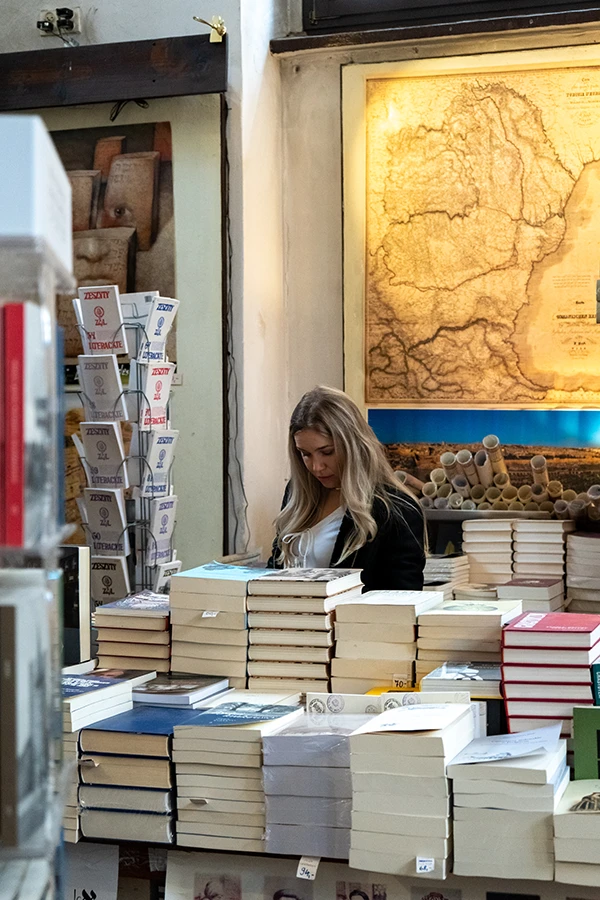
A surprising place to visit in Kazimierz is the Austeria bookshop. Not only because of its location in the Popper Synagogue on the well-known Szeroka Square, but especially because it is a Jewish publishing house. You’ll find stacks of books about Krakow, the Second World War, and (prominent) Jewish history. At the front of the bookshop, you’ll also find beautiful notebooks, maps, and small souvenirs that are a little different from the typical items you’ll find elsewhere in the city. It’s an interesting and moving place to step into briefly and take a look around.
3. Visit the most famous synagogues in Kazimierz
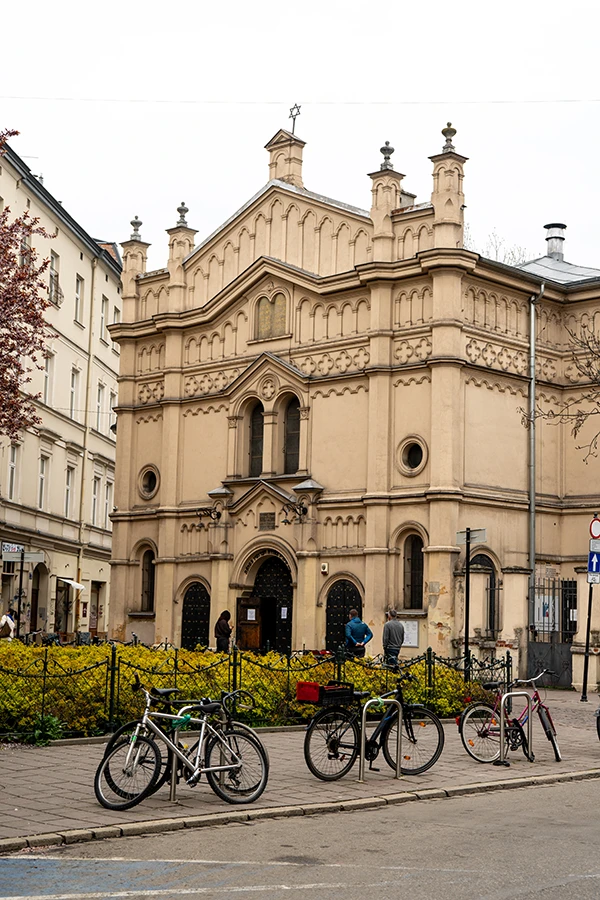
Kazimierz is often referred to as Krakow’s Jewish quarter, and you can immediately see this in the number of synagogues still found here. Of course, it’s not realistic to visit them all, but it is definitely worth stepping inside a few. Some of the best-known synagogues in Kazimierz include the Old Synagogue (Stara Synagoga), the Remuh Synagogue, the High Synagogue, and the Tempel Synagogue. Each has its own atmosphere and character, ranging from simple and historic to grand and impressive.
4. Go to the cozy market square Plac Nowy
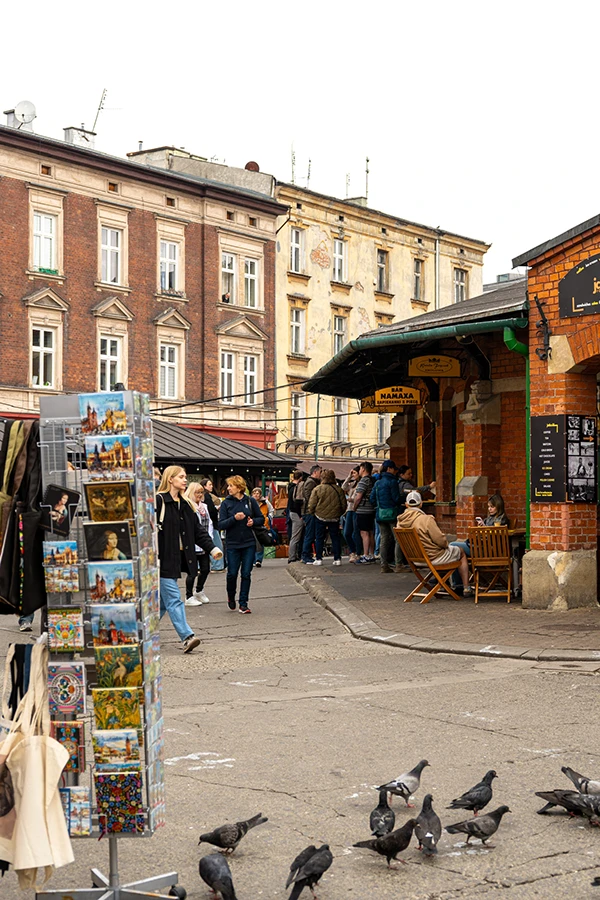
If there is one place where the energy of Kazimierz comes together, it is Plac Nowy. This square, with its characteristic round market hall in the centre (the Okrąglak), is an attraction in its own right. During the day, it has a relaxed, almost village-like atmosphere. You’ll find stalls selling antiques, vintage clothing, and unique souvenirs that are a little different from the standard magnets you see in the Old Town. It’s a great place to wander around and hunt for hidden treasures.
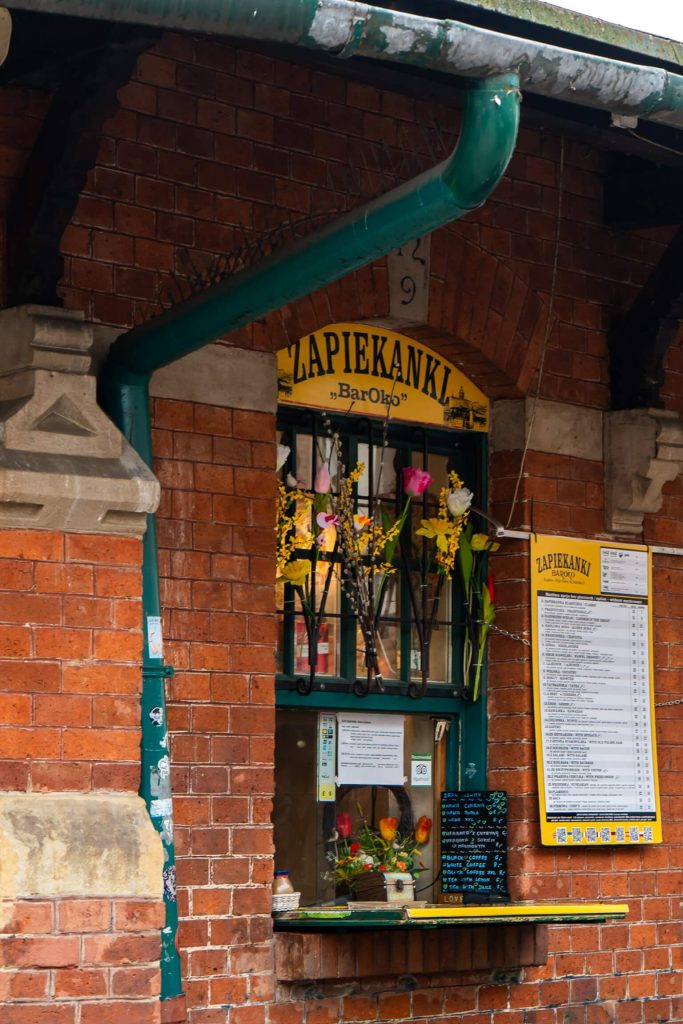
But the real reason everyone comes to Plac Nowy is the smell of melted cheese and fried mushrooms. This is the place to try a zapiekanka. This Polish street food classic is a large, sliced baguette traditionally topped with cheese and mushrooms, but today you can customise it any way you like. From spicy salami to locally smoked cheese and an endless choice of sauces. It’s an unwritten rule in Krakow: your city trip isn’t complete without eating a zapiekanka at Plac Nowy, preferably sitting on a low wall while watching the world go by.
5. Step back in time at the facades of ‘Once Upon a Time’
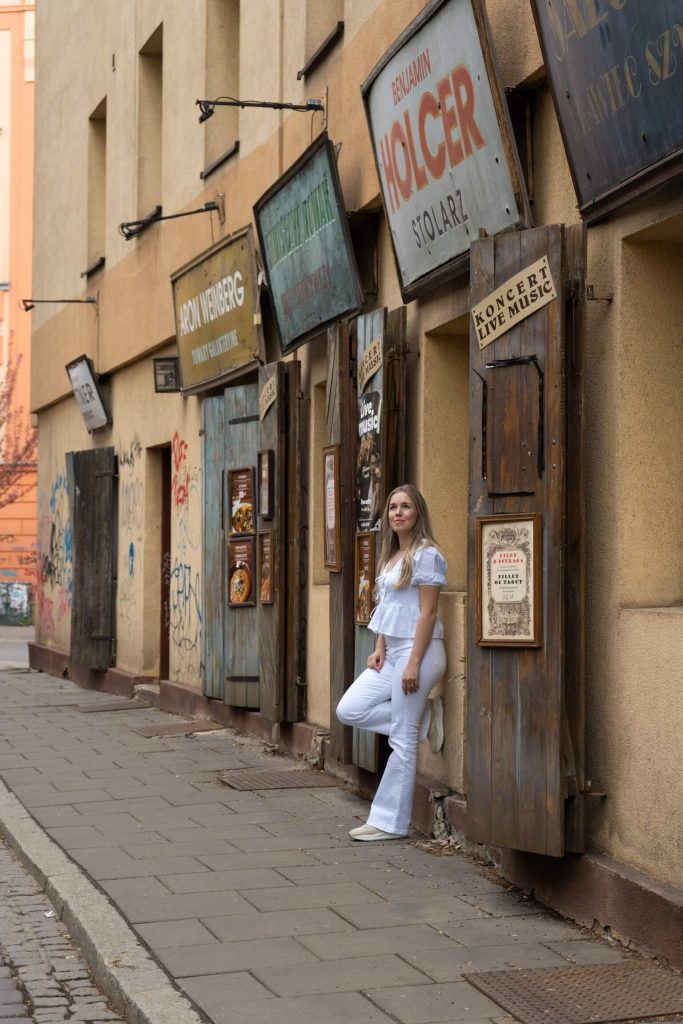
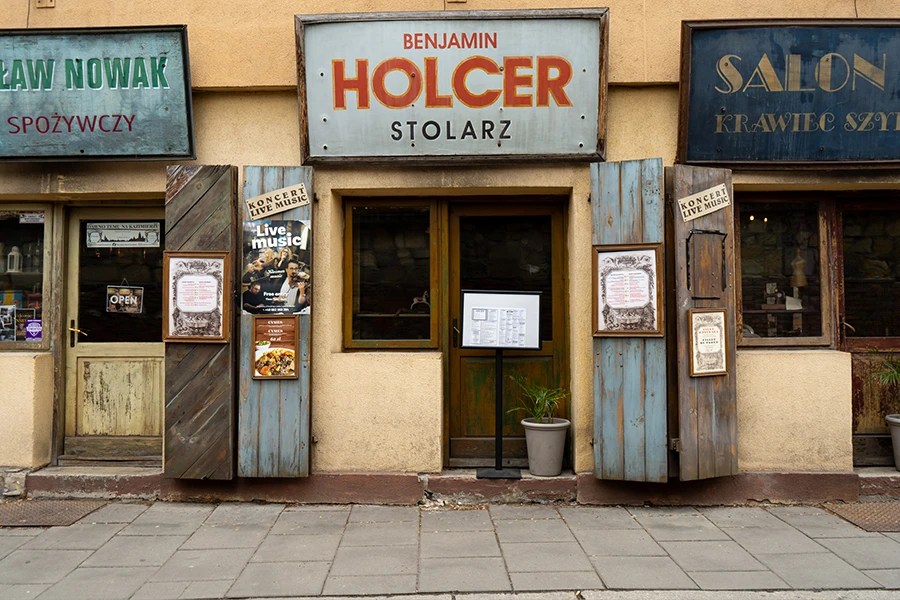
In Szeroka Street, you’ll find one of the most photogenic and unique spots in the neighbourhood: a row of old Jewish shopfronts that look as if time has stood still for decades. The wooden shutters, authentic signage for a carpenter and a grocer, and the weathered façades instantly take you back to pre-war Kazimierz.
It is much more than just a pretty picture. On the walls near the façades, you’ll find information boards explaining the original owners and the purpose of these buildings. It’s a reminder that Kazimierz, despite its modern popularity, is still a place where history is present on every street corner.
Did you know that these combined shopfronts now house a unique restaurant and bar inside? The interior is filled with antique furniture and decorations that seamlessly continue the atmosphere of the past. You’ll also find this special place in our list of favourite hotspots in Kazimierz.
6. Visit the Schindler's List locations in Kazimierz
Have you seen the film Schindler’s List (1993)? Part of it was filmed in the Kazimierz district, which means you can still recognise some filming locations today, such as the well-known Schindler’s List Passage. It’s striking to realise that these streets were used as a set to portray such a dark period in history. If you want to go a step further, the Oskar Schindler’s Factory Museum is highly recommended. Just keep in mind that it’s very popular, so it’s wise to book your tickets in advance (you can do that here).
Eating and drinking in Kazimierz: these are the best restaurants and bars
You can’t visit Kazimierz without exploring its culinary scene. With so many great places to eat and drink, we’ve created a separate article featuring the best hotspots in the trendy Kazimierz district of Krakow.
Here are a few names you'll want to put on your list in advance:
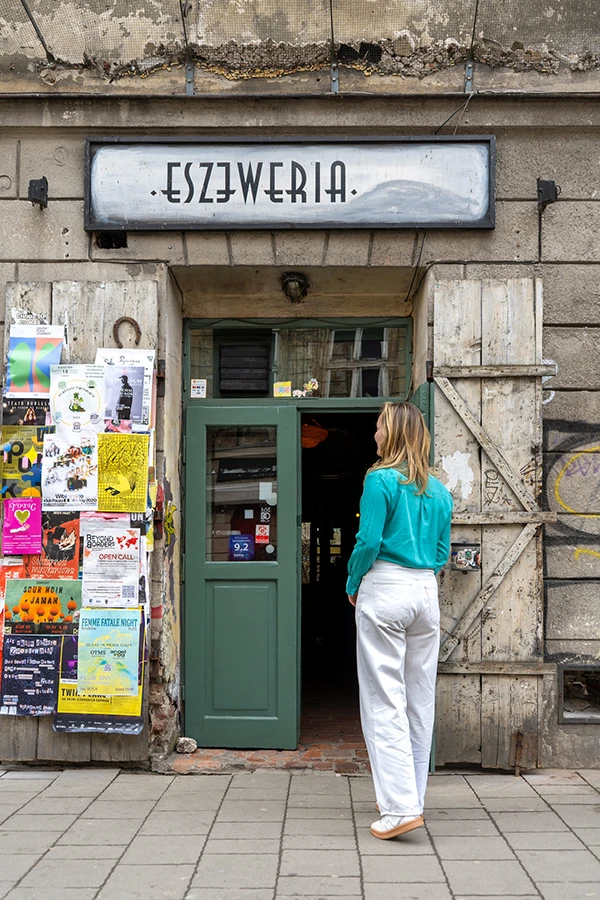
Eszeweria: for the best coffee in a bohemian setting.
Noah: fine dining inspired by Israeli cuisine (Michelin tip!).
Bazaar Bistro: modern Polish dishes with a French twist.
Alchemia: the most iconic bar on Plac Nowy.
Mleczarnia: a cozy beer garden where you sit among the locals.
7. Cross the Father Bernatek bridge to Podgórze
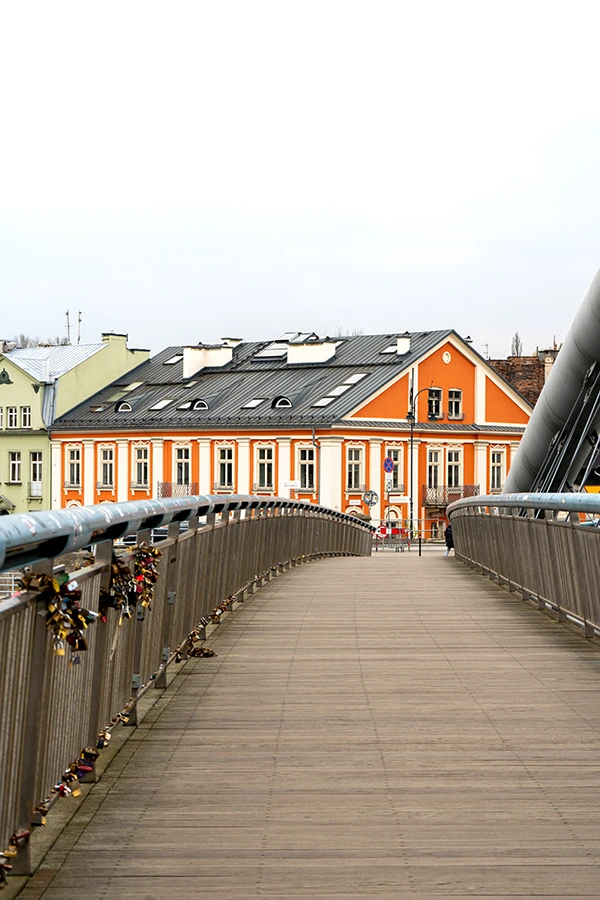
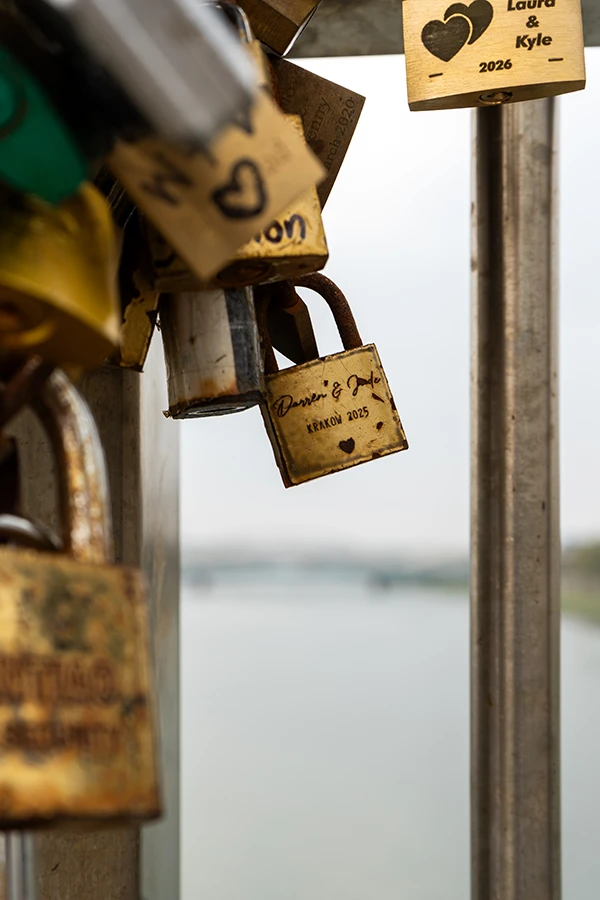
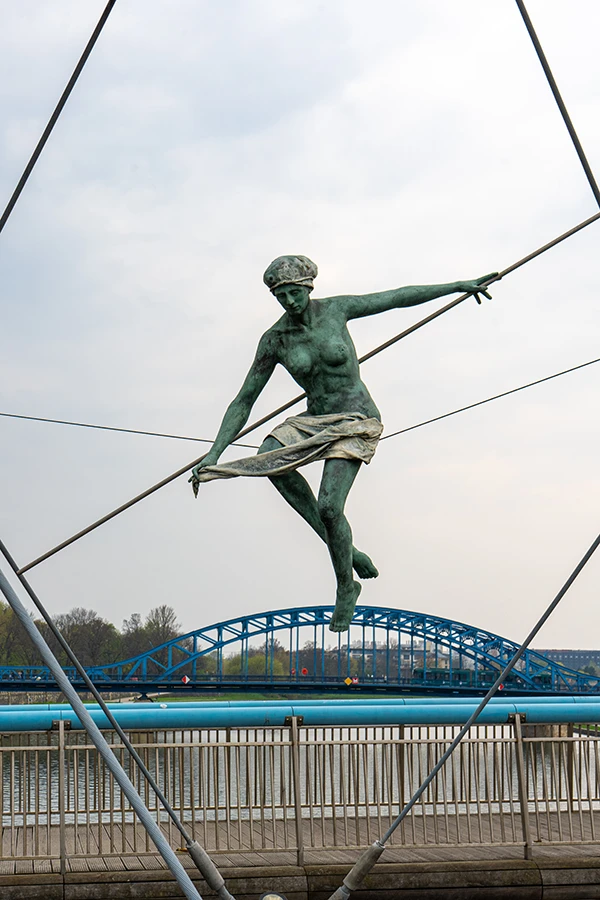
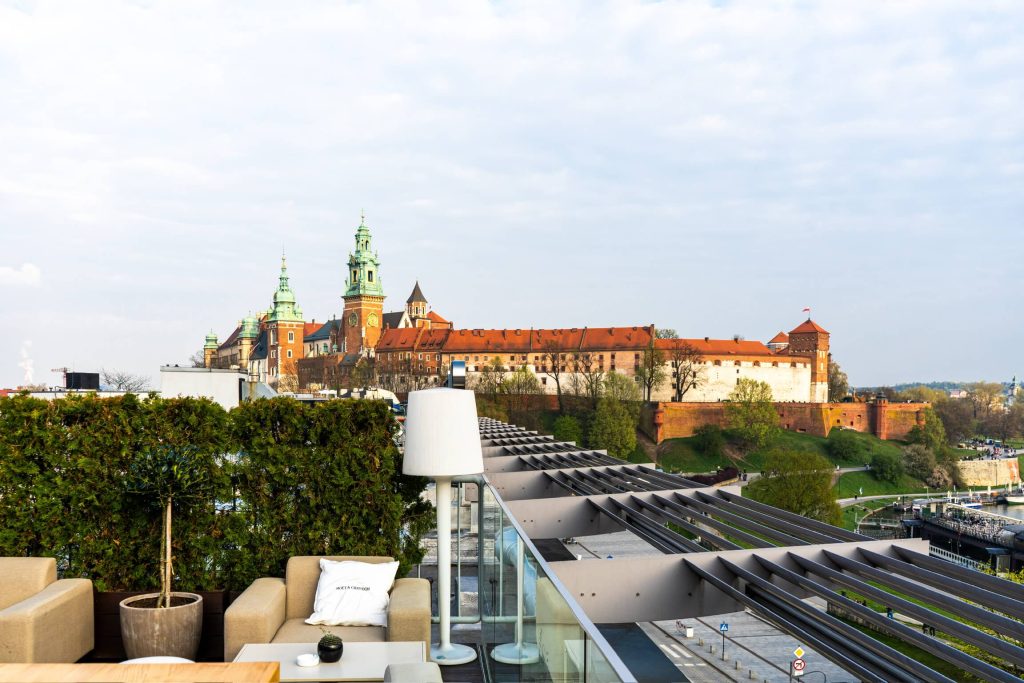
The Father Bernatek Bridge, known in Polish as Kładka Ojca Bernatka, is more than just a bridge that takes you across the Vistula River. It physically connects Kazimierz and Podgórze, two neighbourhoods that each have their own distinct character and atmosphere. The bridge has a modern, leaf-like design and is beautifully lit at night. Above it hang bronze acrobats by Jerzy Kędziora, balancing high over the water and moving with the wind. It’s a striking sight as you walk across, but make sure to also look around. You can spot Wawel Castle rising above the city in the distance.
Podgórze: the former ghetto area in Krakow
While Kazimierz has become increasingly popular with tourists in recent years, Podgórze still remains under the radar. It is a less polished neighbourhood, where silence sometimes says more than words. During the Nazi occupation, this was the site of the Jewish ghetto, which makes the area inevitably and deeply moving to visit.
Plac Bohaterów Getta (Square of the Ghetto Heroes) and the Pharmacy under the Eagle
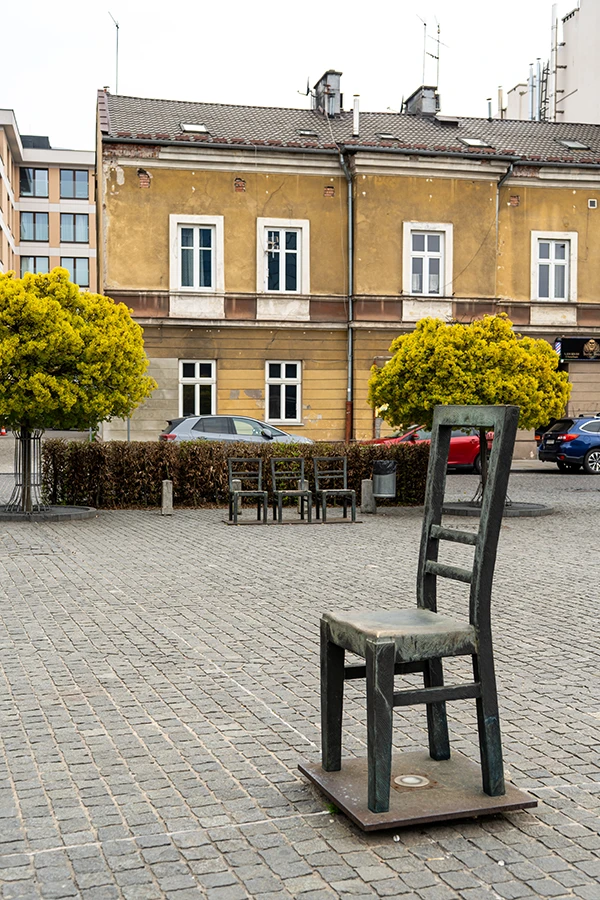
A place that almost always leaves visitors in silence is Plac Bohaterów Getta (Ghetto Heroes Square). Scattered across the square are dozens of large bronze chairs. This monument serves as a powerful reminder of the Jewish residents of the ghetto. The chairs symbolise the furniture and belongings they were forced to leave behind in this square before being deported, but above all, they represent the immense emptiness that remained after the war.
On the edge of this square, you’ll find Apteka pod Orłem (the Eagle Pharmacy). During the Nazi occupation, it was the only pharmacy in the ghetto allowed to remain open. The owner, Tadeusz Pankiewicz, refused to leave and helped the Jewish residents with medicine, food, and hiding places. Today, it serves as a powerful and moving museum.
Traces of the past in Podgórze
Besides the central square, there are several other places in the district that tell the story of Krakow’s history:
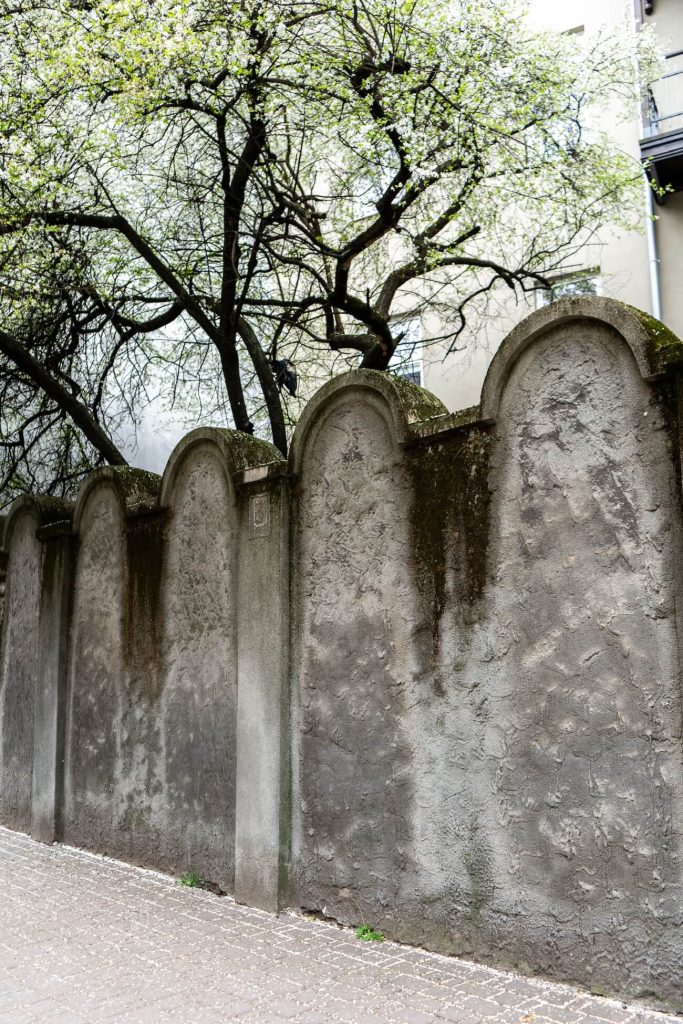
Remains of the ghetto wall: on Lwowska 25 and Limanowskiego 62, you can still find original sections of the ghetto wall.
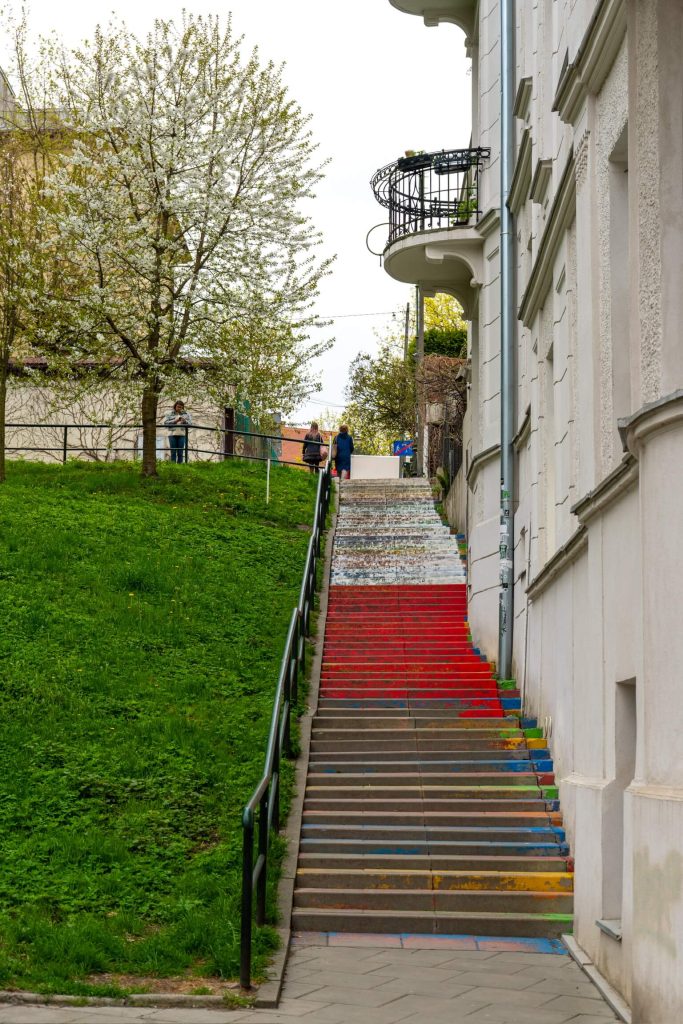
The colored stairs (Schody): in Tatrzańska Street, you’ll find a surprisingly colourful spot. These stairs are decorated with motivational quotes from well-known writers and philosophers. Although they have become somewhat weathered over the years, they remain a symbol of the neighbourhood’s creativity and resilience. It’s a striking contrast to the area’s heavier history and a nice stop during your walk.
Rynek Podgórski market square and the beautiful St. Joseph's Church
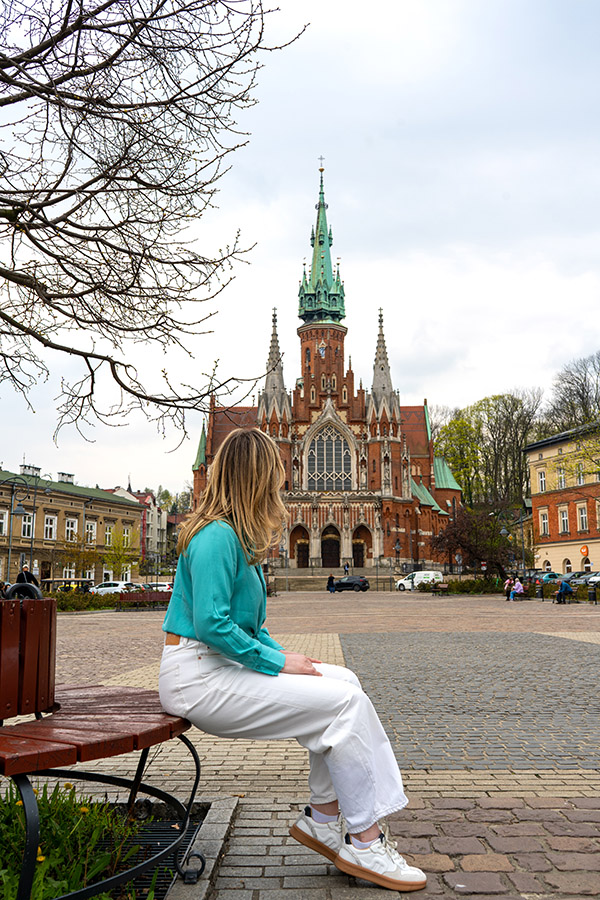
As soon as you walk up Rynek Podgórski, your gaze is immediately drawn upward. With its imposing towers and bright facade, St. Joseph's Church is one of the most photogenic buildings in Krakow. The neo-Gothic architecture has an almost fairy-tale feel to it and, with its many details, is somewhat reminiscent of St. Mary's Church in the Main Market Square, but in a much quieter setting.
The square itself is the beating heart of Podgórze. While the Main Market Square in the Old Town is always buzzing with tourists, Rynek Podgórski still feels like a place for the neighbourhood. You’ll find benches under the trees where locals read the newspaper, giving you a chance to take in the atmosphere of the area.
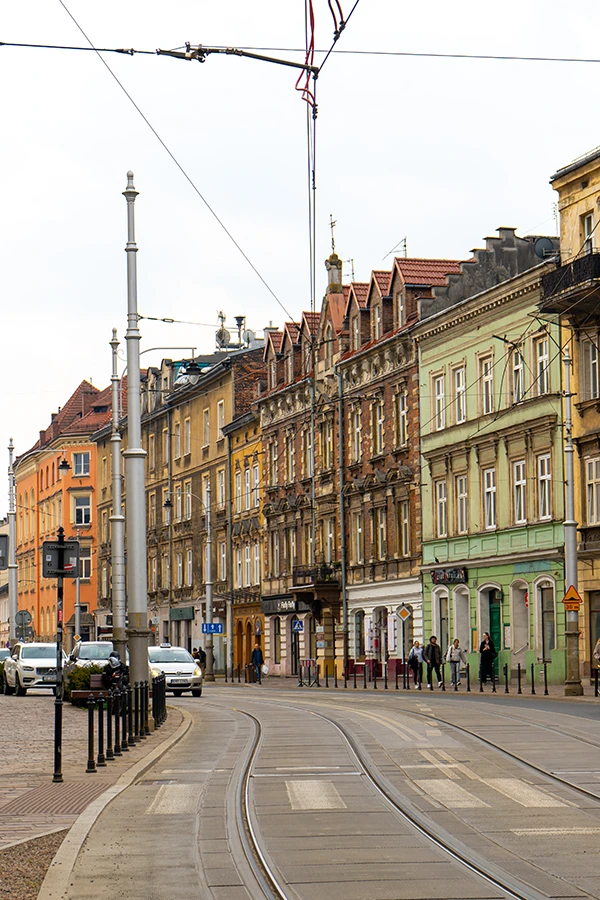
Tip: from the square, make sure to wander into the surrounding streets as well. Here you’ll find beautiful historic townhouses that recall the time when Podgórze was a wealthy, independent city before it became part of Krakow.
The best places to stay in Kazimierz
Kazimierz is one of the best neighbourhoods to stay in during a city trip. You’ll be right in the middle of the atmosphere and can walk to the Main Market Square (Rynek Główny) in 15 to 20 minutes. A great place to stay is PURO Kraków Kazimierz, a stylish boutique hotel in the heart of the district.
Looking for more tips? Here you’ll find an overview of well-rated hotels in Kazimierz, Krakow.
Are you still unsure which neighborhood is best for your trip? Then also read our article on the best neighborhoods to stay in Krakow, with tips on luxury hotels, budget-friendly accommodations and travel with children.
More inspiration for your city break to Krakow and Poland
Want to explore the rest of the city in addition to the Jewish Quarter? In our extensive article with travel tips for Krakow read all about the main attractions, such as the royal Wawel Hill and the impressive churches in the Old Town, plus practical tips for your visit. Would you also like to visit Auschwitz-Birkenau during your city break to Krakow? Then read our article on our experience and practical tips for visiting the Auschwitz-Birkenau Memorial and Museum.
And did you know that Poland has many more surprisingly great cities to explore? Get inspired by the following articles with travel inspiration for city trips in Poland: