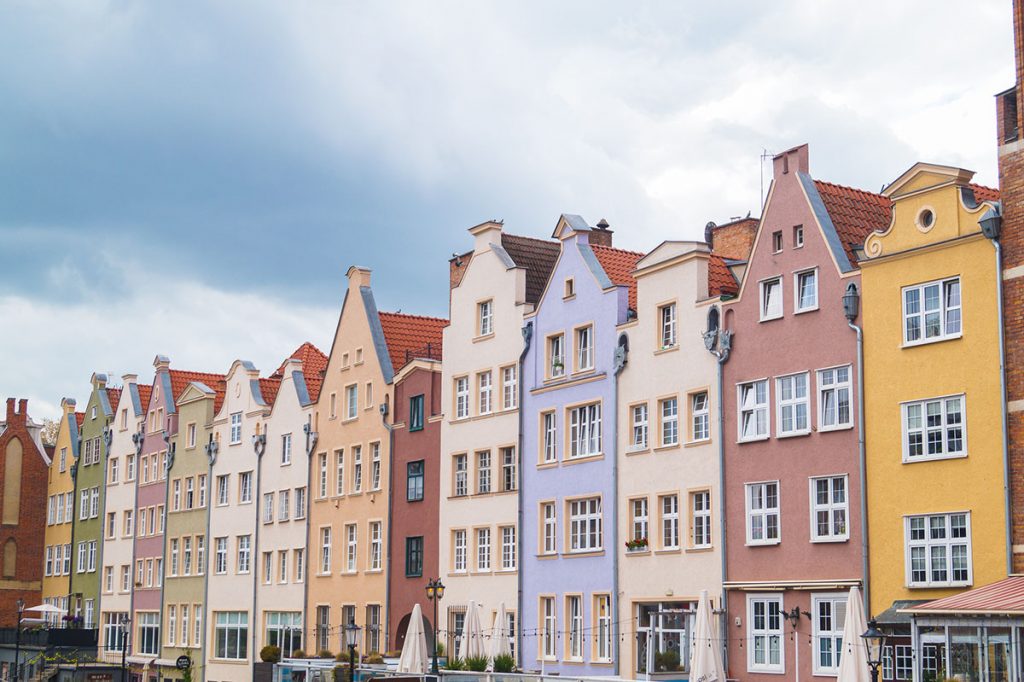

What to do in Gdańsk during a city break? This colourful city in northern Poland is one of Europe’s biggest hidden gems for a city trip. In the historic Old Town (Stare Miasto), you’ll wander along the famous Long Market (Dlugi Targ), the Motlawa River and impressive buildings that give Gdańsk its unique character. Gdańsk is packed with things to do, from medieval streets and iconic city gates to fascinating museums and atmospheric squares. It’s also a great destination for food lovers, with plenty of cozy restaurants and modern hotspots to discover. On top of that, you can easily combine your trip with a day at the seaside in Sopot, a charming beach town just around the corner. In this guide, we share the best things to do in Gdańsk, including must-see attractions, hidden gems and practical travel tips for your city break.
The most beautiful sights in Gdańsk
Gdańsk is a city with a rich and impressive history, making it a perfect destination for a city break in Gdańsk. Although much of the historic centre was destroyed during World War II, it has been carefully and beautifully reconstructed with great attention to detail. Today, the Old Town (Stare Miasto) is once again considered one of the most stunning historic city centres in Europe and one of the top sights in Gdańsk.
As you wander through the streets, you’ll immediately be captivated by the colorful façades, medieval architecture, and charming squares. But Gdańsk is more than just history. The city also surprises visitors with world-class museums and a thriving culinary scene, making it an ideal destination for a city break in Gdańsk. Curious about what to see and do? Below you’ll find the top sights in Gdańsk and the must-visit attractions to make the most of your city trip.


1. Dlugi Targ (the bustling market square) and the Neptune Fountain
A walk along Długi Targ (the Long Market) is an absolute must during a city break in Gdańsk. This historic square forms the vibrant heart of the Old Town and is surrounded by beautifully reconstructed, colorful merchant houses that showcase the city’s rich heritage. Thanks to its lively atmosphere, lined with cafés, restaurants, and terraces, Długi Targ is one of the best places to experience Gdańsk both during the day and in the evening. It’s a highlight among the top sights in Gdańsk and an essential stop on any walking route through the city.
The absolute eye-catcher of the square is the Neptune Fountain (Fontanna Neptuna). This iconic bronze statue dates back to the 17th century and symbolizes Gdańsk’s long-standing and deep connection with the sea.
2. Stroll along Ulica Długa (Long Street)
Ulica Długa (Long Street) is the most famous and lively main street in Gdańsk’s Old Town, making it one of the key sights in Gdańsk during a city break. This historic artery runs from the impressive Golden Gate (Brama Złota) all the way to the vibrant Long Market square (Długi Targ). As you stroll along Ulica Długa, you’ll immediately notice the grand townhouses with their richly decorated façades, gilded details, and historical murals. It’s one of the best places to experience the charm and architectural beauty of Gdańsk up close.
Halfway along the street, you’ll find Dom Uphagena, a beautifully preserved 18th-century merchant’s house. Today, it functions as a museum, offering a unique glimpse into the luxurious lifestyle of Gdańsk’s wealthy citizens in centuries past.
Together with Długi Targ, this street forms the famous Royal Route of Gdańsk, the ceremonial path that Polish kings once followed when they visited the city.
An entrance ticket to Dom Uphagena costs approximately 20 PLN (€4.60), and the museum can be visited for free with the Gdańsk Tourist Card, making it a great-value addition to your city break in Gdańsk.


3. The Motława River and its bustling waterfront
The Motława River winds right through the heart of Gdańsk, creating a vibrant and picturesque setting for the city. Along the waterfront runs the lively promenade Długie Pobrzeże (Long Embankment), one of the most popular areas in Gdańsk. It’s the perfect place for a leisurely stroll, with plenty of souvenir shops, street musicians, and atmospheric cafés and terraces.
From the riverside terraces, you can enjoy views of both historic ships and modern yachts passing along the Motława River. A striking feature here is the Ołowianka pedestrian bridge (Kładka na Ołowiankę), a modern swing bridge that opens at set times to allow boats to pass through. Among the vessels you may see are the iconic galleons, designed to resemble pirate ships, that take visitors on scenic cruises towards the historic Westerplatte peninsula.
Tip: Cross the bridge to Ołowianka Island for the best views of the city’s historic skyline, especially at sunset.
4. The Green Gate and the Green Bridge
When you walk all the way down Długi Targ (Long Market) towards the river, you’ll arrive at the impressive Green Gate (Brama Zielona). This monumental building features four grand archways and was constructed in the 16th century as a royal residence. A fun fact: the architecture was inspired by the City Hall of Antwerp, and despite its name, the building is not green at all. Today, it forms part of the National Museum and remains one of the most striking landmarks in Gdańsk’s Old Town.
Passing underneath the gate, you’ll immediately find yourself on the Green Bridge (Most Zielony). This popular pedestrian bridge connects the historic city centre with Wyspa Spichrzów (Granary Island). From the bridge, you’ll enjoy fantastic panoramic views over the Motława River and the iconic Crane Gate (Żuraw).
Tip: Today, the adjacent Wyspa Spichrzów is the place to go for trendy food halls and modern cocktail bars. The perfect stop right after your walk!


5. The iconic Crane Gate (Brama Żuraw)
The Crane Gate (Brama Żuraw) is without a doubt the most iconic symbol of Gdańsk and one of the top sights in Gdańsk. This impressive wooden medieval harbour crane dates back to the 15th century and reflects the city’s powerful past as a wealthy Hanseatic trading hub. At the time, the crane was operated entirely by human strength, using enormous treadwheels to lift heavy ship masts and unload cargo from vessels docked along the Motława River.
Although the gate was heavily damaged during World War II, it has since been beautifully reconstructed. After a long and extensive restoration that was recently completed, the Crane Gate now shines once again as one of Gdańsk’s most impressive landmarks. The Crane Gate is part of the National Maritime Museum, and you can explore the interior to see the impressive wooden treadwheels up close, offering a fascinating insight into medieval engineering and the city’s maritime history.
The best view: The gate itself is located on the edge of the Old Town, but for the most beautiful photos, cross the Green Bridge to Wyspa Spichrzów (Granary Island). From the waterfront there, you’ll have the best view of this historic landmark.
6. Mariacka Street (De Maria Street): the place for amber and photogenic spots
Ulica Mariacka is without a doubt the most picturesque and atmospheric street in Gdańsk and one of the most charming sights in Gdańsk. This narrow, cobbled lane runs from the atmospheric St. Mary’s Gate by the river all the way to the foot of the towering St. Mary’s Church. What makes Mariacka Street truly unique are its distinctive předprožes: elevated terrace platforms with richly decorated wrought-iron railings and stone gargoyles in the shape of dragon heads.
The street is known worldwide as the centre of the amber trade. This fossilized resin is often referred to as the “gold of the Baltic Sea.” Here, you’ll find numerous charming boutiques and stalls where skilled artisans sell handcrafted silver jewellery featuring amber.
Tip: Whether you’re looking for an authentic souvenir or simply want to capture the magical, almost cinematic atmosphere, it’s best to visit Mariacka Street in the late afternoon when the street lamps are just starting to light up.


7. St. Mary's Church: the largest brick church in the world
At the very heart of the Old Town stands St. Mary’s Church (Bazylika Mariacka). This enormous landmark holds an impressive world record: it is the largest brick church in the world. The vast structure can accommodate up to 25,000 people inside its walls. Despite its size, the interior is surprisingly bright and relatively minimalistic, with several remarkable treasures to discover. The absolute highlight is the monumental 15th-century astronomical clock, a true technical masterpiece that was far ahead of its time.
In addition to admiring the clock, you can also climb the church’s distinctive tower. After a challenging ascent of more than 400 steps, you’ll be rewarded with the most stunning 360-degree panoramic views over Gdańsk and the surrounding region.
Tip: If you want to visit multiple attractions in Gdansk, consider buying the Gdansk Tourist Card. You pay a fixed price for the card, but it gives you access to several of the city’s top highlights and attractions.


8. Museum of the Polish Postal Service (Muzeum Poczty Polskiej).
For history enthusiasts, the Museum of the Polish Post is an absolute must-visit. This museum marks one of the most crucial and tragic moments in modern history. On the early morning of 1 September 1939, the post office was attacked by German forces. The Polish postal workers defended the building heroically for hours, an event that has become a powerful symbol of the official beginning of World War II.
Inside the museum, you are guided through the powerful stories of the postal workers and their families via authentic documents, personal belongings, and historical photographs. Outside, on the square in front of the building, you’ll also find a striking stainless steel war memorial that commemorates this tragic chapter in history, serving as a solemn reminder of the past.
The museum is located just outside the main bustle of the Old Town, about a 10 to 15-minute walk from St. Mary’s Church. Admission is free with the Gdańsk Tourist Card.
Guided tours and activities in Gdańsk
If you prefer not to explore the city entirely on foot, or if you’re looking to uncover the unique stories behind Gdańsk’s historic façades, then joining a guided tour is highly recommended. Gdańsk has a rich and complex history, and a local expert truly brings the city’s Hanseatic heritage and World War II stories to life, adding depth to your city break in Gdańsk.
Polish cuisine in Gdańsk: the best restaurants and local specialties
Food in Gdansk is no longer a hidden secret. But what can you actually expect from Polish cuisine during your city break? We were pleasantly surprised by the variety of the culinary scene: from traditional dishes like pierogi and hearty Polish classics to modern restaurants with a creative twist.
A must-visit is Tygle Bistro & Wine, beautifully located on the Motlawa River with views of the iconic Crane Gate. Everything here revolves around flavour, seasonal ingredients and well-executed dishes, paired with an excellent wine list. It’s the perfect place to truly experience Polish cuisine in Gdansk.
Looking for more great places to eat in Gdansk? Check out our favourite restaurants and food hotspots in Gdansk, from local specialities to trendy cafés and atmospheric evening spots.
What to do near Gdańsk: the best day trips
If you have more time in Gdańsk and want to explore the wider Pomerania region (Pomorskie), you’ll find plenty of impressive historical sites, charming seaside resorts, and vast natural landscapes just outside the city. From cultural heritage to coastal escapes, the area around Gdańsk is full of variety. Here are the best day trips from Gdańsk to make your city break even more memorable:
A breath of fresh air in the elegant seaside resort of Sopot
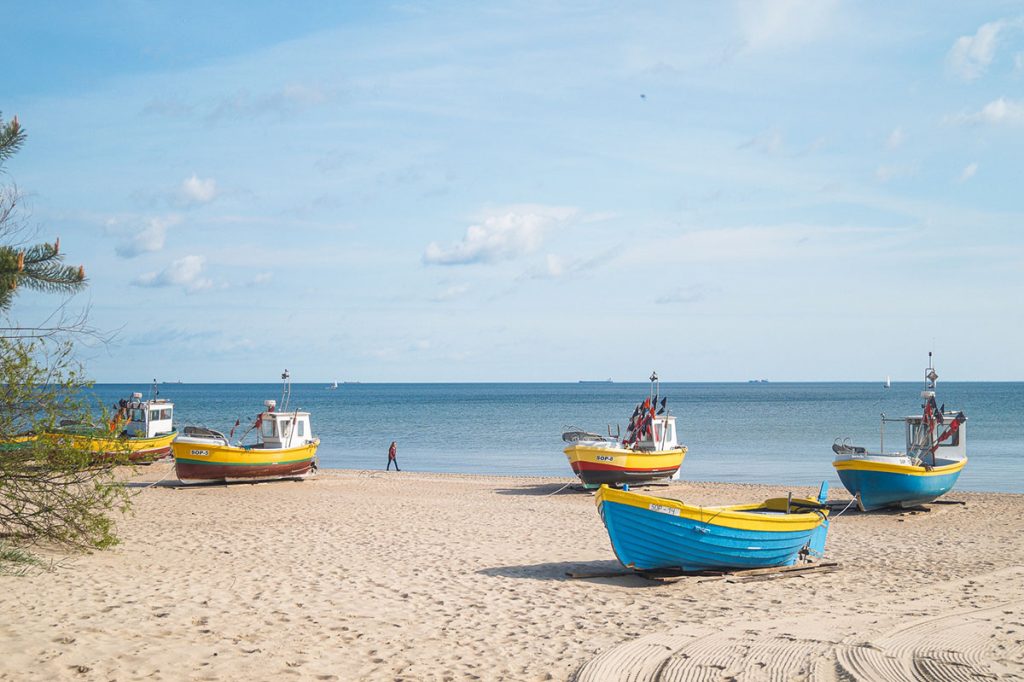
Sopot is just a stone’s throw from Gdańsk, a charming seaside resort on the Baltic Sea. Together with Gdańsk and Gdynia, it forms the so-called “Tri-City” (Trójmiasto). Sopot is best known for its impressive wooden pier (Molo), the longest in Europe, and the lively shopping street Bohaterów Monte Cassino. During the summer months, it’s the perfect place to add a beach day to your city break in Gdańsk. Read all our tips for visiting the seaside resort of Sopot in Poland here.
By SKM train, you can travel from Gdańsk Central to Sopot in just 15 to 20 minutes.
Malbork Castle: the largest medieval castle in the world
For history lovers, Malbork Castle (Zamek w Malborku) is an absolute must-visit. This enormous 13th-century brick fortress once served as the headquarters of the Teutonic Knights. Today, it is a UNESCO World Heritage Site and one of the most impressive castles in Europe. You can easily spend half a day to a full day exploring its knight’s halls, courtyards, and museums, making it a standout day trip from Gdańsk and a true highlight of the region.
Buy your tickets for Malbork Castle in Poland here in advance
Concentration Camp Stutthof
An impressive and deeply moving historical site east of the city is the former Stutthof concentration camp. It was the first Nazi camp established outside German borders (as early as September 1939) and also the last camp to be liberated. Today, it serves as a museum and memorial site, offering a raw but important insight into the atrocities of World War II and standing as a powerful place of remembrance.


Into nature: sailing and lunch in an arcade house
If you want to escape the crowds completely, head into the nature of the Pomerania region. The vast, water-rich polder landscape around the river delta is perfect for a sunny day on the water. Here, you can rent a local boat or small motorboat to explore the peaceful scenery from a unique perspective. Combine your nature trip with a stop at Mały Holender (The Little Dutchman). This authentic restaurant is set in a beautifully restored historic arcade house. It serves traditional Mennonite and Polish regional dishes, and you can also browse the small shop for local specialities and products.
Tip: If you’re visiting the region in April or May, you’ll be treated to kilometre-long bright yellow rapeseed fields along the way. A stunning sight!
The best places to stay in Gdansk
In Gdansk you’ll find a wide range of beautiful hotels and apartments to stay in, both in the city centre and just on the edge of it. Even if you stay slightly outside the centre, you can still reach the lively heart of the city within a 15-minute walk.
Of course, staying in Gdansk among the colourful townhouses and main attractions is usually a bit more expensive, but you’ll be in a truly beautiful location. Our tip: Dwór Uphagena ARCHE. This stylish hotel is located in a quiet neighbourhood just outside the busy centre, but still within walking distance of all the main highlights. The building is a beautifully restored historic property with a modern and atmospheric interior.
Looking for a comfortable and budget-friendly place in the city centre? Then Ibis Gdansk Stare Miasto is a great choice. The rooms are modern and compact, the staff is friendly, and you’ll be just a short walk from the historic centre.
Practical tips for your city break in Gdańsk
Gdańsk is a compact and easy-to-navigate city, making it ideal for a two-day city break in Europe. The city is well connected with direct flights from many major European hubs, and flight options and prices can easily be compared via Skyscanner. Once you arrive at Gdańsk Lech Wałęsa Airport, the train from the airport station (Gdańsk Port Lotniczy) takes you to the main station in the city centre in around 30 minutes. Public transport in Gdańsk is affordable and efficient, but most of the main highlights are located within the historic centre and can easily be explored on foot.


More inspiration for surprising city trips to Poland
To be honest, we didn’t expect it at first, but we’ve completely fallen in love with Polish cities. What draws us in? The beautiful historic buildings, colourful squares, friendly atmosphere and surprisingly great hotspots. Poland has so much to offer for an original city break! Let yourself be inspired by our tips:
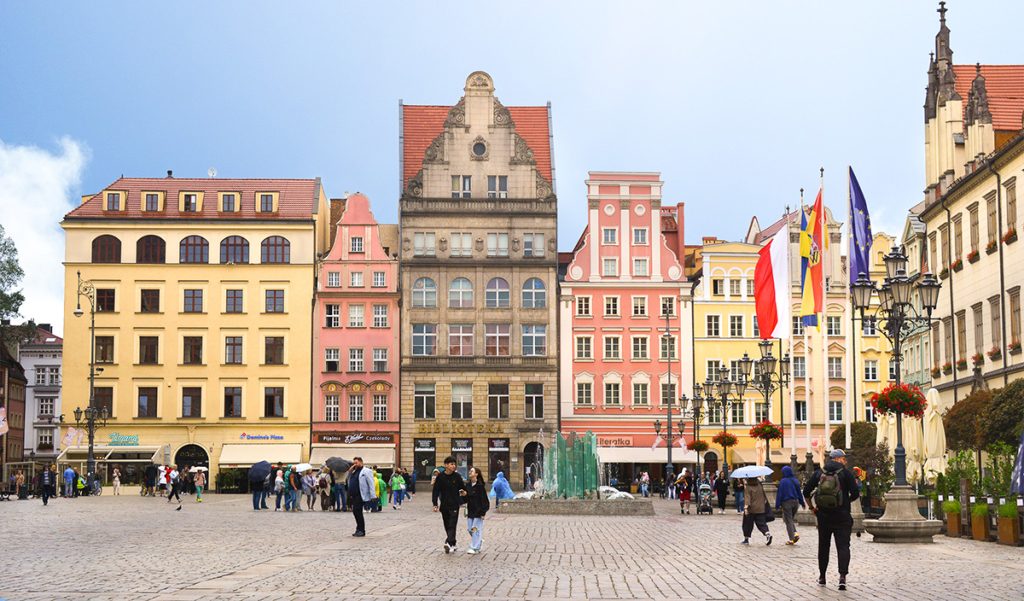
City break to Wrocław: discover the city of gnomes, colorful squares and charming bridges.
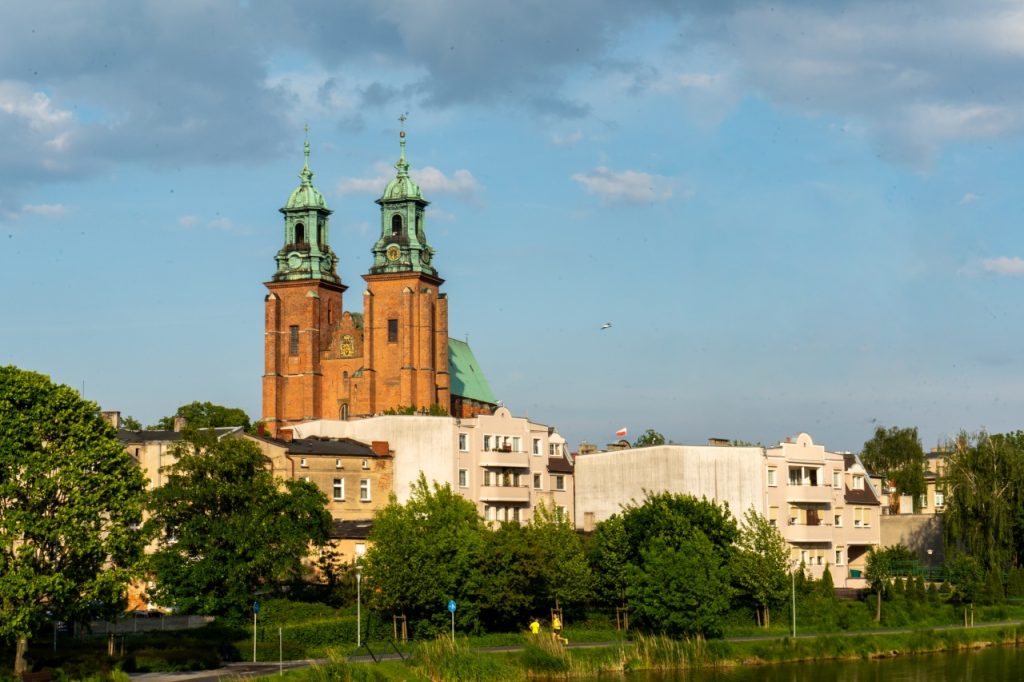
What to do in Poznań: a surprising destination full of history, culture and cozy hotspots.
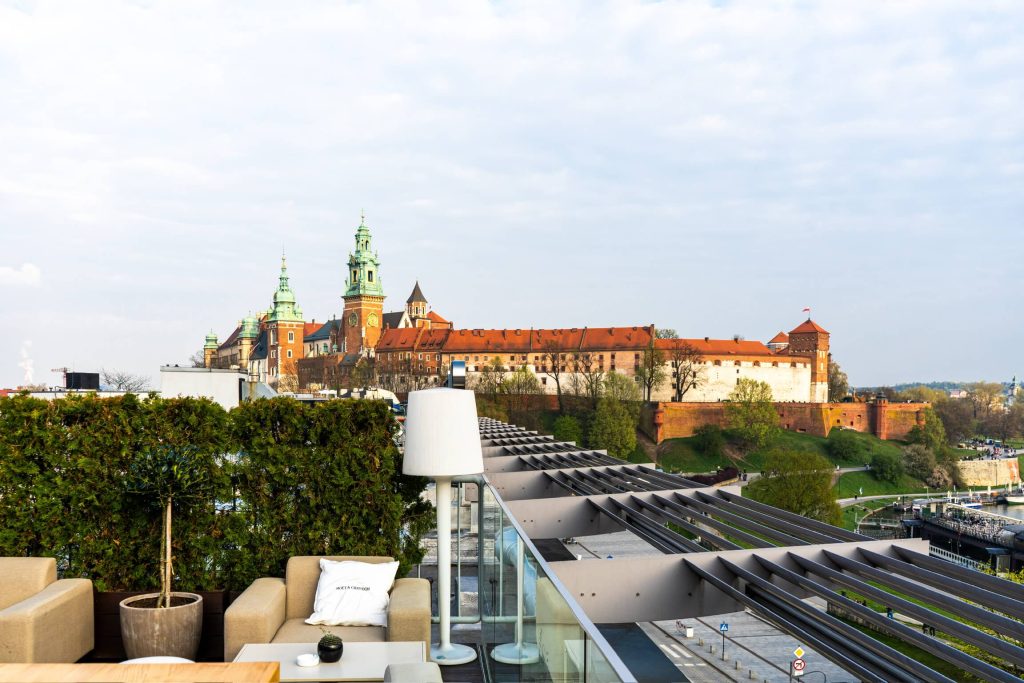
Tips for a city break to Krakow: explore the atmospheric Old Town, impressive museums and lively nightlife districts.