Zagoria is the pearl of northern Greece, but have you heard of this Greek region? When booking a vacation to Greece, then you probably think faster of the popular islands of Santorini, Mykonos, Kos, Crete and Zakynthos. But did you know that inland Greece also has a lot to offer? Discover beautiful Zagoria with our travel tips!
The unspoiled natural landscape of Zagoria
In cooperation with I Love Greece, we traveled to the Greek region of Zagoria which is located in the Pindos Mountains in the north of the country. Close to the border of Albania. Zagoria is located in the province of Epirus, in the sub-region of Ioannina, and is one of the most beautiful regions of Greece.
The Zagoria region consists of two special national parks and 46 traditional and authentic villages situated on dense green mountain slopes. Zagoria means "the land behind the mountains," and where that name comes from, we understand. We were able to discover for ourselves that behind the mountains lies a true natural beauty with mysterious-looking bridges, picturesque villages, beautiful mountain rivers and deep gorges. In short, a crazy destination to discover!
There are several airlines that fly to Athens from Amsterdam, Rotterdam and Eindhoven, but to get to Zagoria you still need a domestic flight to Ioannina. Aegaen Airlines is a good airline for this.
The 8 most beautiful villages of Zagoria
The Zagoria region is partly known for its picturesque villages, these total as previously written as many as 46. The most popular villages in the Zagoria region are Papigo, Monodendri and Aristi, but all villages, however, have a unique appearance and are well worth a visit.
We stayed during our visit to Zagoria in the sleepy village of Dilofo, with only 8 inhabitants. Upon arrival, we were surprised by the inhabitants of Dilofo who were playing guitar and singing Greek songs with each other. We were therefore immediately enchanted by the charm and idyllic character of this beautiful village.
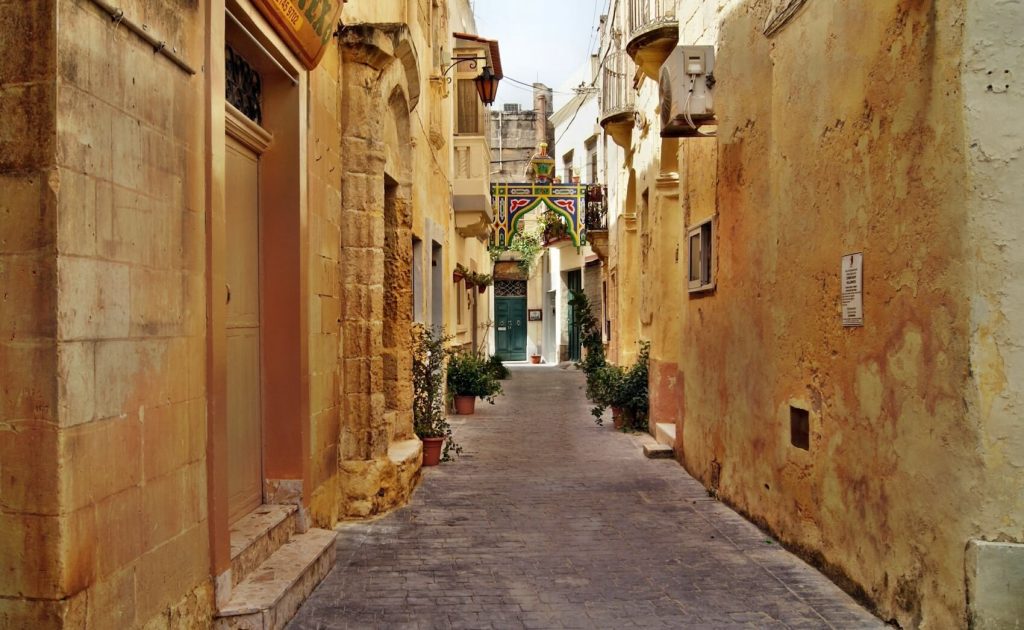
The villages in Zagoria have traditional architecture with stone houses with colorful details, historic churches and buildings, old plane trees and cobblestone paths. These are our 8 favorite Zagorian villages:
1. Dilofo
The picturesque village of Dilofo is located at an altitude of 900 meters on the slope of Timfis Mountain. The traditional village is entirely focused on agriculture and tourism. Are you visiting Dilofo by car? Then pay close attention to the signage. The village is not visible from the road and it is forbidden to enter the village by car. Dilofo differs from the other villages of Zagoria in that its original character has been completely preserved. The entire village is marked as a protected monument where only restoration of existing buildings and alleys is allowed.
The attractions in Dilofo include the village square, the photogenic alleys, the small churches, chapels and convents, the old town school and the artistic mansions. It sounds a lot but Dilofo is very compact and easy to explore in half a day. Because of its photogenic location, this is a place where tourists love to come, you will find a number of nice restaurants. Our favorite ones are To Steki Tou Oresti and Lithos. In the Taverna of To Steki Tou Oresti, all dishes are prepared with local products from the region. You can go here for delicious wines and a variety of dishes from the area, as well as the more famous Mediterranean cuisine (though with a Zagorian twist). The nearby restaurant Lithos is a small and cozy restaurant, also called "Takis' Place. Takis is a friendly local and host of the restaurant. He creates delicious fresh and tasty dishes, and the view from the terrace is amazing!
For an overnight stay in a unique and traditional Zagorian boutique hotel, we recommend Hotel Archontiko Dilofo definitely recommended. This authentic mansion dates back to 1663. The decor and attention to detail in the hotel are sublime, and the owner and staff are tremendously friendly and welcoming!
2. Papigo
Located on Astraka, one of the highest peaks of Mount Tymfi, the village of Papigo is definitely among the most beautiful villages in Zagoria. The village is located in two districts (Megalo and Mikro) and is accessible via the bridge over the crystal-clear Voidomatis River. The road leading to the village of Papigo consists of many narrow winding roads, zigzag paths and hairpin turns, but the views during this route are truly breathtaking. For example, you overlook the endless green landscape and the imposing Vikos Gorge.
Once you arrive in Papigo, you will soon discover that this too is an authentic, charming village with beautiful stone houses, cobbled alleys and streets and cozy taverns.
One tavern in Papigo that we absolutely adore is Taverna Ta Astra. The tavern is situated in a unique location overlooking the mountain area and serving delicious, home-cooked food from its own garden. The staff is very friendly and the restaurant's colorful, manicured garden makes it a picture to behold.
3. Monodendri
Monodendri is a traditional settlement built at an altitude of 1060 meters. The village still retains much of its traditional architecture. Thus, you will see here many beautiful stone buildings and stone-paved paths. In this village, at the edge of the Vikos Gorge, you will find the extraordinary monastery of Agia Paraskevi overlooking the gorge. The village is also known for the Rizario Centre of Handicrafts: a small center where you can admire and purchase locally made, traditional embroidery.
Monodendri has many cozy restaurants and cafes. The traditional taverns in Monodendri are richly decorated with colors and flowers. For an endless view of the gorge, you must be at Restaurant Sta Riza Monodendri. Be sure to try the tzatziki here, too!
4. Ano Pedina
Ano Pedina is one of the oldest villages in Zagoria and is locally located in the area. It is located at an altitude of 960 meters above sea level. While in Ano Pedina, be sure to visit the monastery of Evangelistria. This monastery, located at the entrance of the village, dates back to 1786 and houses extraordinary murals and valuable heirlooms.
During our visit to Ano Pedina, we walked through the cozy streets and ate at the charming Hotel Porfyron. Here we enjoyed a number of traditional dishes using only ingredients from the Zagoria region. For example, we tried stuffed zucchini blossoms with rice and tasted the locally made 'Tirokafteri'; a spicy cheese dip with feta cheese, roasted peppers and sharp peppers.
The hotel Porfyron is a special sight in the village of Ano Pedina. Porfyron means crimson and refers to the color of the hotel. With its red color, the 160-year-old, sustainably restored building is a striking sight among all the gray natural stone buildings in Ano Pedina.
5. Vradeto
Vradeto is definitely one of the most beautiful villages we visited in Zagoria. With an altitude of 1,340 meters, Vradeto is the highest village in Zagoria and offers beautiful viewpoints. The two main attractions in Vradeto are the "Vradeto Steps" and the "Beloi Viewpoint. The Vradeto Steps, or the Skala of Vradeto, is a kalderimi (paved mule road) consisting of 1,200 stone steps and 39 curves. Until the end of the 20th century, the Vradeto Steps were the only way to reach the village of Vradeto!
Want to experience what this must have been like for the locals? You can hike the Vradeto Steps by yourself. After an intensive hike of 1 to 1.5 hours along the stone path, you will arrive at the village of Kapesovo.
The Beloi Viewpoint offers one of the best viewpoints of the Vikos Gorge. The viewpoint is the southernmost point of the Vikos Gorge and from here you can see the vertical cliffs stretching far into the distance. You can reach the Beloi Viewpoint both via Vradeto, as well as Vikos. There are signposts to Beloi and the path is very easy to walk. After a somewhat rocky section, you will arrive at the Beloi viewpoint with the breathtaking view of the gorge.
6. Vikos
Another way to get to the Beloi Viewpoint is through the village of Vikos, another of the beautiful villages in Zagoria. This is mainly due to its ideal location on the gorge.
The Vikos Gorge is part of the Vikos-Aoos National Park and is considered the deepest gorge in the world by the Guiness book of Records. At several vantage points, the gorge provides amazing views. Consequently, the village of Vikos is a common starting point for hikers and walkers. Besides starting points for hiking trails, in Vikos you will find a busy square with a number of cozy terraces and taverns and the church of Panagia Spiliotissa.
7. Aristi
If you want to experience the real authentic village life of Zagoria, leave the main road and drive to the village of Aristi. Aristi is a popular village in western Zagoria that is part of the Vikos-Aoos National Park. The village of Aristi is located at a junction with a road leading to the villages of Megalo and Mikro Papingo. This road is crossed by the Voidomatis River. Be careful as the road is narrow and consists of many sharp turns. However, the route is definitely worth it!
Many rafting and kayaking routes start from Aristi. There is also a central square in Aristi with a number of cozy, traditional cafes and taverns, an imposing church and monastery, cobbled alleys and stores selling folkloric art supplies.
8. Vitsa
Vitsa is one of the largest villages in central Zagori. It is located at an altitude of 955 meters on a mountainside near the Vikos Gorge. Vitsa is particularly famous for the ancient double arch bridge of Missios. This is one of the unusual bridges you can find in the region of Zagoria. The Missios Bridge was built in 1853 and is located in the Misios Xeropotamos Valley, between the villages of Cocoon and Vitsa. The structure is very impressive to see!
The extraordinary arched bridges of Zagoria
The Missios bridge is not the only imposing arch bridge in the area. In the Zagoria region, you will find dozens of extraordinary arch bridges that bend over the many rivers and connect the various villages. Zagoria is therefore characterized by its many arch bridges.
The construction of the traditional bridges started centuries ago. In winter, villagers often faced severe floods, and the arch bridges were necessary to cross the swirling bodies of water. A bell was also often hung from the arch bridges. This bell would ring in high winds as a warning that crossing was not safe.
To manufacture the bridges, the villages depended on financial support from wealthy residents and businessmen. Therefore, the bridges were often named after these wealthy residents and were thus seen in part as status symbols.
Bridges were built where the rivers were narrowest and were initially made of wood. Around the eighteenth century, the construction of stone bridges began. Some of these impressive bridges are still in good condition today.
Especially around the village of Kipoi, you can find a number of beautiful arched bridges, such as the Kokkori, the Plakida-Kalogeriko and the Lazaridi-Kontodimou bridges. The Plakida-Kalogeriko, with its three arches, is the most popular and is therefore the most pictured picture on postcards of the Zagoria region. Therefore, while staying in Zagoria, a visit to the imposing, mysterious bridges cannot be missed.
A beautiful tour of Greece
Would you like to discover the Greek region of Zagoria? Then we are happy to plan a tailor-made trip for you! With our service we arrange everything: from flights and accommodation to excursions and activities, completely tailored to what makes the ideal vacation for you. Thanks to our extensive experience in Greece, we ensure that your trip will be unforgettable. Request a travel proposal for your dream trip now!